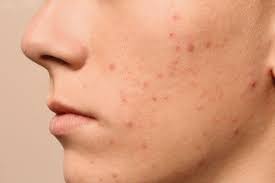
Acne seems simple from the outside. You get a breakout, you visit a dermatologist, and they give you a treatment—maybe an antibiotic, a retinoid, a hormonal pill, or a combination of all three. You follow the plan because that’s what everyone does. These medications are common, trusted, and used by millions of people around the world.
But the reality behind acne treatment isn’t always smooth. Some people experience reactions that feel completely unrelated to skin. They start a medication expecting clear pores and end up dealing with fatigue, headaches, dizziness, emotional shifts, or digestive problems. For many, it’s confusing, and honestly, a little scary.
I’ve spoken with people who felt blindsided by these side effects. They didn’t expect their acne treatment to affect their daily life this way. That’s one reason this topic matters. When you know what to expect, you understand your options better. You also protect yourself from long-term issues that sometimes start with tiny, easy-to-ignore symptoms.
This article goes deeper than the usual “side effects list.” It’s about the real experience: how acne medications interact with your body, why they cause problems for some people and not others, and what steps you can take to stay safe while using them. If you want to see a detailed personal case study on antibiotic side effects, you can check this real-life experience.
Why We Place So Much Trust in Acne Medications
Most people trust acne medications without question. And it makes sense — these treatments have been around for decades, they’re FDA-approved, and they’re used daily in clinics everywhere.
But think about it for a second. Something powerful enough to change your skin from the inside must be doing a lot more than we realize. Your skin, hormones, gut, and immune system are all connected. If one is affected, the others usually feel it too.
Many acne medications, especially antibiotics and oral retinoids, have effects far beyond the skin:
- They change the bacteria in your gut.
- They influence inflammation throughout your body.
- Some affect neurotransmitters involved in mood.
- Others impact your liver, which filters everything you ingest.
This doesn’t mean the medications are “bad.” They work very well for many people. But it does mean you should be aware of how much influence they have.
When someone starts feeling “not like themselves” during treatment, it usually isn’t random. Their body is trying to tell them something.
Common Acne Treatments and Their Overlooked Impact
Acne treatment usually falls into a few main categories. Each comes with its own hidden risks.
- Antibiotics (Minocycline, Doxycycline, Tetracycline, etc.)
These are the most commonly prescribed oral acne medications. But antibiotics don’t just target acne-causing bacteria — they also affect good bacteria in your gut.
Users often report:
- stomach pain
- acid reflux
- nausea
- dizziness
- fatigue
- headaches
- skin discoloration (with certain antibiotics)
What surprises people is that these issues can show up even after weeks of feeling normal.
- Topical Retinoids (Tretinoin, Adapalene, Tazarotene)
These usually work well and are considered safe. But when combined with oral medication, they can cause:
- severe dryness
- skin sensitivity
- burning sensations
- delayed healing
Some people also experience mood shifts when their skin becomes irritated and painful every day. It might not be a direct side effect of the cream itself, but the emotional impact can be real.
- Oral Retinoids (Isotretinoin / Accutane)
This is the strongest and most effective acne treatment, but also the one with the highest risk of side effects. Users sometimes deal with:
- severe dryness
- joint pain
- fatigue
- mood swings
- digestive problems
- long-term gut issues
Some symptoms appear months after the treatment ends.
- Hormonal Treatments (Birth control pills, Spironolactone)
These are commonly prescribed to women with hormonal acne. But they can disrupt natural hormone levels, which leads to:
- irregular periods
- breast tenderness
- mood changes
- anxiety
- headaches
- electrolyte imbalances (especially with spironolactone)
Again, no one expects acne treatment to affect their mood or menstrual cycle — but it happens.
Side Effects Most People Never Expect
Across all these treatment types, a few reactions show up more often than people think. These are the symptoms users usually share with each other, not with doctors, because they don’t even realize the connection at first.
- Persistent Fatigue
This is one of the most reported problems. People say they feel slow, mentally foggy, or drained even after sleeping well. Antibiotics and retinoids can both cause this.
- Digestive Issues
Your gut reacts quickly to any medication. Users commonly report:
- bloating
- diarrhea
- constipation
- nausea
- loss of appetite
When your gut bacteria changes, your whole body reacts.
- Unexplained Dizziness
Some antibiotics — especially ones like Minocycline — cross into your central nervous system. That’s why dizziness or vertigo is so common.
- Brain Fog
This is a strange, frustrating symptom. People describe it as:
- slow thinking
- trouble focusing
- feeling mentally “foggy”
- forgetting simple things
It feels like you’re there but not fully present.
- Emotional Shifts
It’s hard to predict how someone will react emotionally to long-term medication. Some describe:
- irritability
- sadness
- anxiety
- emotional numbness
- unusual stress
Not all of this is chemical — sometimes it’s simply the exhaustion of dealing with ongoing side effects.
When Problems Get Worse Over Time
Many people say the first few weeks feel fine. The problems start slowly — maybe a headache here and there, a hint of stomach discomfort, or a little dizziness. Most people ignore these things because they seem minor.
But long-term use changes the picture.
Your body adapts to the medication, and side effects can build up. Here’s what long-term treatment can trigger:
Liver Stress
Your liver works overtime to filter medication. Over weeks and months, this can cause:
- pain beneath the ribs
- nausea
- dark urine
- fatigue
Most people don’t notice these signs until they become intense.
Hormonal Imbalance
Hormone-altering acne treatments (like birth control pills or spironolactone) can disrupt natural cycles, leading to irregular periods or mood instability.
Immune Changes
Some medications can spark autoimmune reactions. This is rare but possible, especially with long-term antibiotic use.
Gut Microbiome Changes
Your digestive system plays a bigger role in your overall health than most people realize. When antibiotics kill beneficial bacteria, your immune system and mood can shift too.
Why Doctors Don’t Always Mention These Risks
Dermatologists rely on what is considered “most common” or “clinically significant.” Rare reactions don’t always get into everyday conversations. Many of these side effects vary by person, so they’re easy to overlook.
Doctors also focus on acne — the visible problem. Internal reactions aren’t always obvious in short appointments.
This is why it’s important to trust your own body. You spend 24 hours a day with yourself. You notice small changes long before anyone else.
What You Can Do to Stay Safe While Treating Acne
You don’t need to be afraid of acne treatment. You just need to stay aware and involved in the process.
Here’s how you can protect yourself:
- Track Your Symptoms
Write down anything unusual:
- mood changes
- stomach issues
- headaches
- dizziness
- joint pain
Small symptoms can help you catch bigger problems early.
- Ask Questions About Alternatives
Most acne conditions have multiple treatment options:
- topical-only routines
- short-term antibiotic cycles
- hormonal options
- lifestyle-based approaches
- low-dose combinations instead of heavy medication
You’re not stuck with one path.
- Get Periodic Health Checks
Especially if your treatment lasts longer than three months. Blood tests, liver function tests, and hormone panels can be extremely helpful.
- Listen to Your Gut (Literally and Figuratively)
If something feels off, don’t ignore it. Your body is often right before the tests confirm it.
- Stop the Medication If Symptoms Escalate
Under your doctor’s guidance, of course. Stopping early can prevent long-term issues.
Why Real-Life Experiences Make a Difference
Scientific research is essential, but personal stories reveal the full reality. They show patterns doctors don’t always see.
When people share their experiences:
- others recognize similar symptoms
- hidden side effects become easier to identify
- patients feel less confused and more informed
- people learn how to ask better questions
These stories don’t replace medical advice, but they add context — the kind only someone who lived through it can provide.
It’s these real stories that help others make safer choices.
Conclusion
Acne treatments can do wonders for your skin, but they don’t always come without risks. Many people experience unexpected side effects like fatigue, digestive issues, mood changes, and even dizziness. These reactions often go unnoticed because they appear slowly over time.
The key is awareness: track your symptoms, ask questions, and consult your doctor if anything feels off. Real-life experiences, like the detailed personal case study of antibiotic side effects, can help you understand the full scope of potential reactions and make informed decisions about your treatment.
Being proactive and informed can protect your overall health while still allowing you to treat acne effectively. Remember, your body knows best — listen to it.
FAQs
- Can acne medication cause long-term health issues?
Yes, especially if taken for several months. Some antibiotics and oral retinoids can affect your liver, gut microbiome, hormones, and even mood over time. Regular monitoring is important. - How can I tell if my acne treatment is affecting my overall health?
Watch for unusual fatigue, dizziness, digestive problems, or mood changes. Keeping a daily symptom journal helps identify patterns early. - Are topical treatments safer than oral medications?
Topical treatments like retinoids are generally safer, but they can still cause skin irritation, dryness, or sensitivity. Oral medications often carry a higher risk of systemic side effects. - Should I stop my medication if I notice side effects?
Do not stop abruptly without consulting your doctor. Some medications require tapering or a safe discontinuation plan. Discuss your symptoms and alternatives with your healthcare provider.