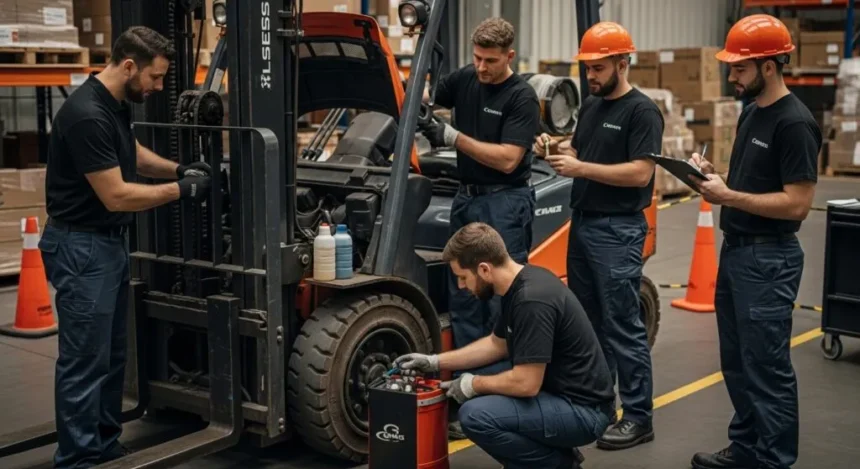
Forklifts are indispensable machines in the modern industrial and warehouse sectors, playing a critical role in material handling and logistics. The efficiency, safety, and longevity of these machines depend heavily on their individual components, often collectively referred to as forklift parts. These parts encompass a wide range of elements, each performing specific functions to ensure smooth operation, prevent breakdowns, and maximize productivity. Understanding the components of forklifts, how they interact, and the importance of their maintenance is essential for operators, fleet managers, and anyone involved in warehouse management or industrial logistics.
Key Components of Forklift Parts and Their Functions
The structure of a forklift consists of various mechanical, electrical, and hydraulic systems, each relying on specific forklift parts to operate effectively. The most critical components include the mast assembly, hydraulic system, engine or power source, transmission system, tires, and control mechanisms. The mast assembly, which includes the forks, chains, and rollers, is responsible for lifting, lowering, and positioning loads with precision. Without a properly maintained mast system, the forklift cannot perform one of its most vital tasks: safely transporting heavy goods.
The hydraulic system is another cornerstone of forklift functionality, comprising pumps, cylinders, hoses, and valves. This system allows the lifting and tilting mechanisms to function smoothly. A failure in any hydraulic component can severely hinder performance and compromise safety. For instance, worn-out cylinders or leaks in hoses can lead to uneven lifting or sudden dropping of loads, which is dangerous in busy warehouse environments.
The engine or power source is the heart of the forklift, providing the energy required to operate both the lifting and driving mechanisms. Depending on the type of forklift, engines may run on diesel, gasoline, propane, or electricity. Electric forklifts rely on batteries and motors, while combustion forklifts use internal combustion engines. Each of these power sources requires specific attention to their respective forklift parts, including filters, spark plugs, and battery management systems, to ensure longevity and reliable performance.
The transmission system, including gears, clutches, and drive axles, works in conjunction with the engine to transfer power to the wheels. Malfunctioning transmission components can result in reduced mobility, excessive wear, and increased fuel consumption. Forklift tires, often overlooked, are another essential part. They come in pneumatic or solid varieties, designed to support weight, provide traction, and absorb shocks. Damaged or worn-out tires can lead to accidents, reduced efficiency, and damage to the flooring of warehouses or industrial facilities.
Lastly, the control mechanisms, including steering, brakes, and instrumentation, allow operators to manage the forklift safely and efficiently. Brake pads, steering linkages, and dashboard gauges are all integral forklift parts that require regular inspection and replacement to ensure the safe handling of heavy loads. The seamless integration of these components determines the overall reliability, efficiency, and safety of the forklift.
The Importance of Regular Maintenance of Forklift Parts
Regular maintenance of forklift parts is not merely a suggestion; it is an operational necessity. Routine inspections and preventative care can prevent costly repairs, minimize downtime, and extend the life of the forklift. Components such as hydraulic cylinders, chains, tires, and brakes are subjected to constant stress during daily operations, making them prone to wear and tear. Regular lubrication, tightening, and replacement of worn-out parts can prevent sudden failures and maintain operational efficiency.
Preventive maintenance schedules are designed to identify potential issues before they escalate into severe problems. For example, inspecting the hydraulic hoses for leaks or cracks, checking the oil levels in the engine, and examining tire tread and inflation levels can help detect early signs of malfunction. Additionally, cleaning and lubricating moving parts can reduce friction and wear, ensuring that the forklift operates smoothly and safely.
Maintenance is not limited to mechanical components. Electrical and electronic forklift parts also require careful attention. Batteries need proper charging and water level checks, while wiring and connectors must be free from corrosion and damage. Malfunctioning sensors, switches, or control systems can lead to operational inefficiencies or even hazardous situations. Ensuring that every component, from the smallest bolt to the main engine system, is functioning optimally is key to maximizing forklift performance.
Common Challenges in Managing Forklift Parts
Managing and maintaining forklift parts can present several challenges, particularly in large industrial settings where multiple forklifts operate simultaneously. One common issue is the unavailability of replacement parts due to supply chain delays or the use of outdated models. Operators and fleet managers must be proactive in sourcing high-quality components to prevent extended downtime. Using inferior parts may reduce costs temporarily, but it often leads to frequent failures, higher repair costs, and potential safety hazards.
Another challenge is the lack of awareness or training among operators regarding the proper handling of forklift parts. Mishandling, overloading, or operating forklifts without proper inspection can accelerate wear and cause unexpected breakdowns. Regular training and adherence to operational guidelines are essential to prevent damage and ensure that forklifts remain in peak condition.
Environmental factors also play a role in the maintenance of forklift parts. For example, forklifts operating in dusty, wet, or corrosive environments may experience faster deterioration of components. In such cases, specialized maintenance routines, such as frequent cleaning, anti-corrosion treatments, and protective coatings, are required to maintain the integrity of critical parts.
Innovations and Advancements in Forklift Parts
The industrial sector is witnessing continuous innovation in forklift design and components. Modern forklifts incorporate advanced technologies such as electric powertrains, automated lifting systems, and smart diagnostics that monitor the condition of key forklift parts in Garner, NC in real time. Sensors and IoT-enabled systems can detect wear, temperature fluctuations, or hydraulic pressure issues, allowing operators to schedule timely maintenance and avoid catastrophic failures.
Additionally, advancements in material science have led to the development of more durable and lightweight components. High-strength steel, composite materials, and enhanced rubber compounds are now commonly used in forks, tires, and hydraulic systems, improving performance, safety, and energy efficiency. These innovations are transforming how forklifts operate, reducing downtime, and extending the lifespan of essential parts.
Sustainability is another emerging trend in forklift part design. Environmentally friendly materials, energy-efficient engines, and recyclable components are becoming standard, reflecting the industry’s commitment to reducing its ecological footprint. Electric forklifts, in particular, are increasingly popular due to their lower emissions and reduced maintenance requirements, demonstrating the critical role of modern forklift parts in sustainable industrial operations.
Conclusion: Maximizing Efficiency Through Proper Management of Forklift Parts
In conclusion, the performance and safety of forklifts rely heavily on the careful management, maintenance, and timely replacement of forklift parts. Understanding the function of each component from the mast assembly and hydraulic system to the engine, transmission, tires, and control mechanisms is crucial for operators and fleet managers alike. Regular maintenance routines, awareness of common challenges, and adoption of technological advancements can significantly enhance forklift reliability and efficiency, ultimately improving productivity in industrial and warehouse operations.
Investing in high-quality parts, educating operators on proper handling, and embracing innovative solutions ensures that forklifts remain safe, durable, and efficient. By prioritizing the integrity and performance of each component, businesses can prevent costly downtime, reduce operational risks, and extend the lifespan of these indispensable machines. Ultimately, the careful attention given to forklift parts is not just a matter of equipment maintenance but a critical factor in optimizing industrial performance, safety, and sustainability in the long term.