flippamagazine 01 flippamagazine 02
Search
  • Home
  • Business
  • Celebrity
  • Entertainment
  • Fashion
  • Health
  • Lifestyle
  • News
  • Technology
  • Contact Us
Reading: Understanding Overactive Bladder and Effective Treatments
Share
Flippa MagazineFlippa Magazine
Search
  • Home
  • Business
  • Celebrity
  • Entertainment
  • Fashion
  • Health
  • Lifestyle
  • News
  • Technology
  • Contact Us
Flippa Magazine > Health > Understanding Overactive Bladder and Effective Treatments
Health

Understanding Overactive Bladder and Effective Treatments

By Admin January 5, 2026 4 Min Read
Share
Explore overactive bladder symptoms, causes, and effective treatment options, with clear guidance on management, and when to seek medical advice.

Living with sudden urges to pass urine or frequent trips to the toilet can be frustrating and disruptive. Overactive bladder, often shortened to OAB, affects daily routines, sleep, and confidence for many adults. Although it’s a common bladder condition, it’s often misunderstood or dismissed as a normal part of ageing.

Contents
What Is an Overactive Bladder?Possible Causes and Risk FactorsHow Overactive Bladder Is AssessedNon-Surgical Treatment OptionsWhen Further Treatments May Be ConsideredSupporting Long-Term Bladder HealthFinal Thoughts

Stay with us until the end to understand what an overactive bladder is, why it happens, and how it may be managed with the right support.

What Is an Overactive Bladder?

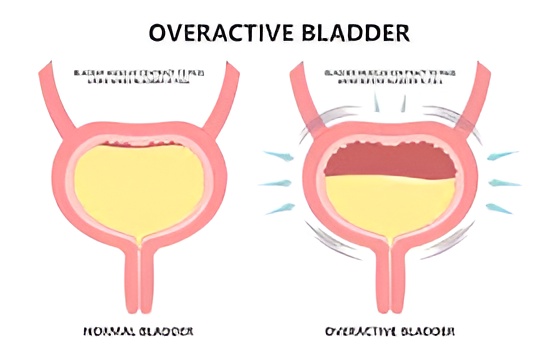
Overactive bladder describes a group of urinary symptoms, not just a single disease. The main feature is a sudden and strong need to urinate that’s hard to delay. This urgency may happen with or without leakage, which some people find distressing.

Common signs include needing to urinate more often than usual, waking at night to pass urine, and feeling unable to fully control bladder urges.

Possible Causes and Risk Factors

The bladder works by storing urine and releasing it at the right time. With overactive bladder, the bladder muscle may contract too early, even when it isn’t full. This change might be linked to nerve signals between the bladder and brain.

Several factors may increase risk. These include ageing, certain neurological conditions, bladder irritation, or previous pelvic surgery. In some cases, no clear cause is found. Importantly, overactive bladder isn’t the same as a urinary tract infection, although symptoms can feel similar.

How Overactive Bladder Is Assessed

Assessment usually starts with a detailed discussion about symptoms, fluid intake, and lifestyle habits. Simple tests, such as urine checks, may help rule out infection or blood in the urine.

Specialist evaluation may be helpful when symptoms persist or affect quality of life. At a reputable London urology clinic, investigations like bladder scans or cystoscopy might be considered to understand how the bladder is functioning and to exclude other conditions. This step helps ensure symptoms are treated appropriately.

Non-Surgical Treatment Options

Many people notice improvement through practical lifestyle changes. Reducing caffeine, spacing fluid intake, and bladder training exercises may help improve bladder control over time. Pelvic floor exercises are often recommended, as stronger muscles may support better bladder function.

Medication may also be discussed. These medicines aim to relax the bladder muscle, which may reduce urgency and frequency. Effects vary between individuals, and side effects are reviewed carefully before continuing treatment.

When Further Treatments May Be Considered

If symptoms continue despite first-line options, other treatments might be explored. These may include targeted therapies delivered directly to the bladder or nerve-based treatments that help regulate bladder signals. Decisions are usually guided by symptom severity, overall health, and personal preferences.

It’s important that any treatment plan is reviewed regularly, as bladder symptoms can change over time.

Supporting Long-Term Bladder Health

Managing overactive bladder often involves patience and ongoing support. Keeping a bladder diary, attending follow-up appointments, and discussing concerns openly may lead to better outcomes. Many people find reassurance in knowing that symptoms are common and manageable with the right care.

Final Thoughts

Overactive bladder can feel isolating, but it’s a recognised medical condition with several effective ways to manage symptoms. Anyone experiencing persistent bladder changes should seek professional advice rather than self-managing in silence.

Always consult a qualified healthcare professional before making decisions about bladder or prostate treatments and medications.


Share This Article
Facebook Twitter Email Copy Link

RECENT POSTS

How Mount Kilimanjaro Climbing Changes Perspective on Outdoor Travel
January 16, 2026
Which Restaurant Model Actually Makes Money in the UK
January 15, 2026
6 Best Free 4K Screen Recorders for Windows
January 15, 2026
Boost Wellness with Natural Lubricants & Holistic Health
January 15, 2026
Is Telegram Views Free To Get?
January 14, 2026
Psilocybin Contraindications
Psilocybin Contraindications: A Comprehensive Medical and Psychological Overview
January 14, 2026
Blue Lotus Flower Tea
Blue Lotus Flower Tea: A Deep Dive into Its History, Benefits, and Uses
January 14, 2026
Chocolate Shrooms
Chocolate Shrooms: A Deep Dive into a Modern Mushroom Phenomenon
January 14, 2026
Semaglutide Near Me
Semaglutide Near Me: A Comprehensive Guide to Local Access, Benefits, and Safe Use
January 14, 2026
Wigs vs Hair Toppers Explained and Which One Fits Your Coverage Needs
January 14, 2026
Categories
  • Biography
  • Blog
  • Business
  • Celebrity
  • Crypto
  • Education
  • Entertainment
  • Fashion
  • Food
  • Games
  • Guide
  • Health
  • Home Improvement
  • Lifestyle
  • News
  • Real Estate
  • Sports
  • Technology
  • Travel
  • Uncategorized

YOU MAY ALSO LIKE

Boost Wellness with Natural Lubricants & Holistic Health

The personal care industry is witnessing a strong shift toward natural and plant-based products, with natural lubricants gaining increasing attention…

Health
January 15, 2026

Psilocybin Contraindications: A Comprehensive Medical and Psychological Overview

Psilocybin, a naturally occurring psychedelic compound found in certain species of mushrooms, has gained significant attention in recent years for…

Health
January 14, 2026

Blue Lotus Flower Tea: A Deep Dive into Its History, Benefits, and Uses

Introduction to Blue Lotus Flower Tea Blue lotus flower tea is a traditional herbal infusion made from the petals of…

Health
January 14, 2026

Chocolate Shrooms: A Deep Dive into a Modern Mushroom Phenomenon

Introduction to Chocolate-Infused Mushrooms In recent years, the fusion of ancient mushroom traditions with modern culinary innovation has created a…

Health
January 14, 2026
flippamagazine 02

Welcome to Flippa Magazine, your digital destination for fresh perspectives, trending topics, and inspiring stories. We believe information should be both engaging and easy to understand, so we craft content that connects, informs, and entertains.

Popular Posts

Jesse Belle Deutschendorf
Who Is Jesse Belle Deutschendorf? Complete Biography and Facts
September 13, 2025
Mosaic Skill Shred ESO
Unlocking the Power of Mosaic Skill Shred ESO: A Complete Beginner’s Guide
November 14, 2025

Recent Posts

How Mount Kilimanjaro Climbing Changes Perspective on Outdoor Travel
January 16, 2026
Which Restaurant Model Actually Makes Money in the UK
January 15, 2026

© 2025 Flippa Magazine All Rights Reserved

  • Home
  • About Us
  • Privacy Policy
  • Contact Us
Welcome Back!

Sign in to your account

Lost your password?