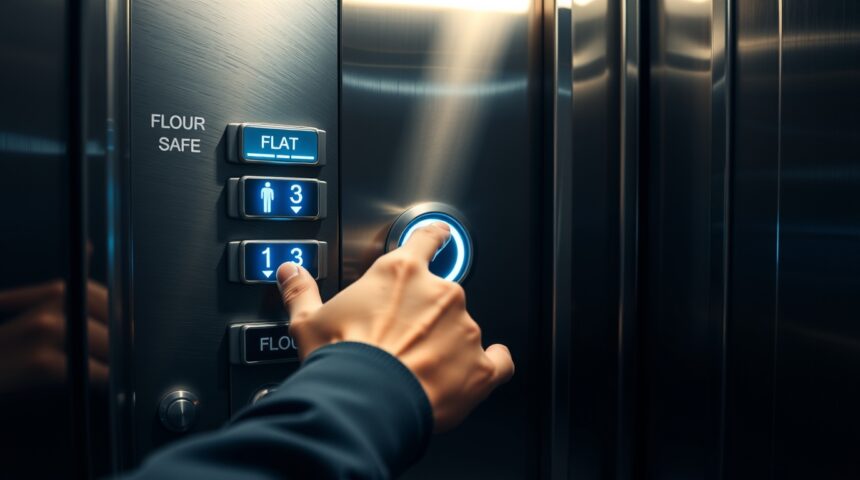
In the U.S., elevators and lifts are a part of everyday life—whether you’re at work, in an apartment building, or inside a shopping mall. But few people stop to think about what ensures that a lift is actually safe to use. The answer often lies in a small but important notice: this sign shows when a lift is safe to use. That sign isn’t just a piece of paper or a random inspection tag—it’s a legally recognized indicator that the lift has been tested, inspected, and approved for public use under safety standards.
Understanding what this sign means, who places it, and how to interpret it can make a real difference in preventing accidents and protecting your safety. This guide breaks down everything you need to know about lift safety signs in the United States, from certification details to inspection processes and user responsibilities.
Why Lift Safety Signs Matter
Every elevator or lift is a complex system that relies on multiple safety mechanisms. Over time, wear and tear, heavy use, or skipped maintenance can compromise those systems. The sign that shows when a lift is safe to use serves as proof that all these components have been checked by a qualified inspector and meet the standards set by the American Society of Mechanical Engineers (ASME) and local building codes.
These signs protect both building owners and users. For owners, it demonstrates compliance with state and local safety laws. For passengers, it’s reassurance that the lift has been tested and verified. Ignoring or misunderstanding these signs could lead to dangerous situations or even legal liabilities if an accident occurs.
What the Sign Actually Means
When you see a sign or certificate displayed inside a lift—often near the control panel or entrance—it usually contains key details about its safety approval. The exact design can vary by state, but it generally includes:
-
The date of the last inspection
-
The name of the certifying authority or inspector
-
The permit or license number
-
The expiration or next inspection date
If the sign is current and valid, it means the lift has passed all required safety tests. If the sign is missing, outdated, or visibly damaged, that’s a red flag indicating the lift may not have been cleared for recent use.
The Legal Basis for Lift Safety Signs in the U.S.
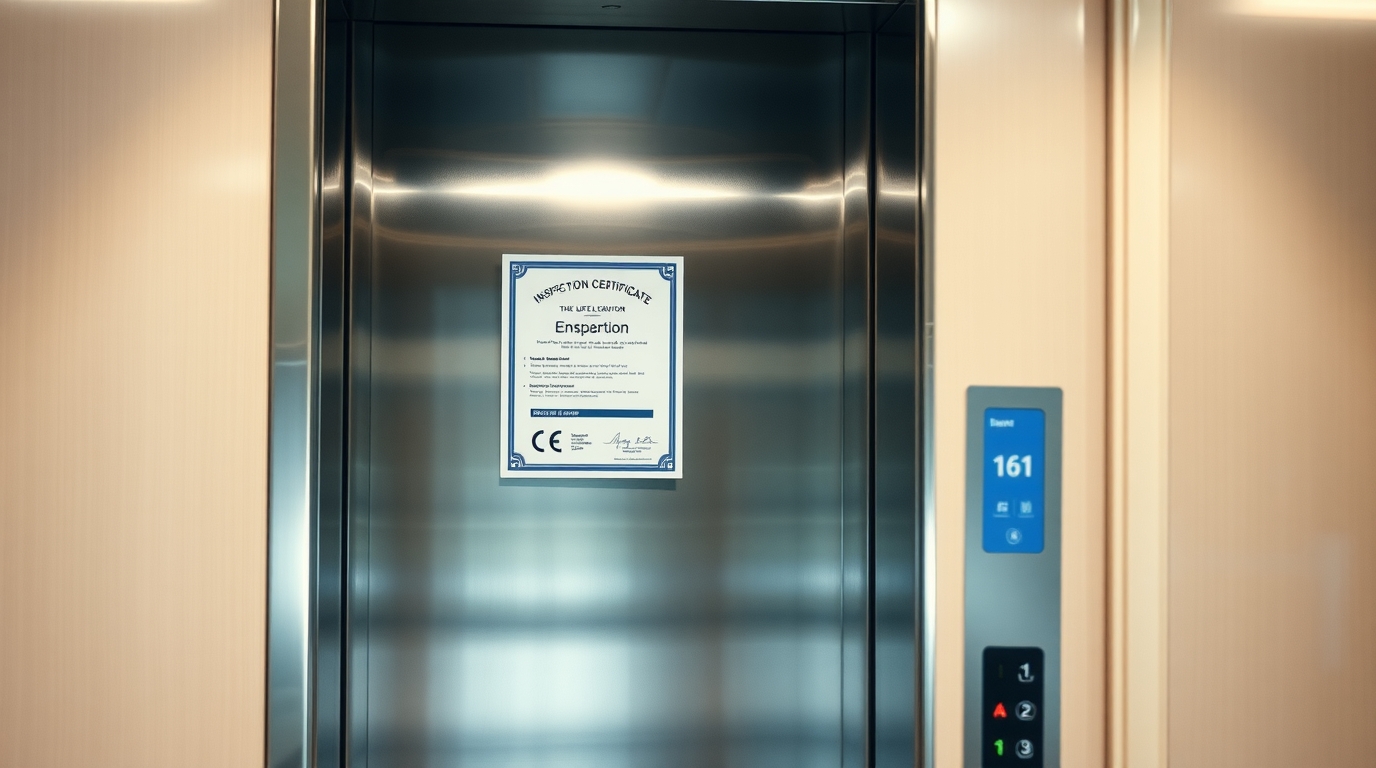
In the United States, lift and elevator safety regulations are enforced at the state and local levels, following national standards such as ASME A17.1 – Safety Code for Elevators and Escalators. Each state’s Department of Labor, Building Safety Division, or Elevator Safety Board oversees compliance.
Building owners are legally required to display an up-to-date inspection certificate inside every elevator or lift that carries passengers. Failure to do so can result in fines, operational shutdowns, or even legal action if an injury occurs. These signs are not just informative—they are regulatory requirements backed by law.
How Lifts Are Inspected Before Certification
Before the sign is posted showing that a lift is safe to use, it must undergo a thorough inspection by a certified elevator inspector. This inspection includes mechanical, electrical, and operational checks such as:
-
Testing of emergency brakes and cables
-
Verification of door interlocks and safety sensors
-
Examination of hydraulic or traction systems
-
Testing of communication devices like emergency phones or alarms
-
Checking the weight load capacity and balance
After the inspection, if all systems are found to be in compliance, the inspector issues an approval certificate. Only then is the sign displayed to indicate that the lift is safe for passengers.
Common Reasons a Lift Might Fail Inspection
Even though modern elevators are built with multiple safety redundancies, several common issues can cause a lift to fail inspection, including:
-
Outdated maintenance records
-
Oil or fluid leaks in hydraulic systems
-
Malfunctioning door sensors or buttons
-
Worn cables, pulleys, or brakes
-
Faulty emergency lighting or alarms
When these issues are found, the lift is immediately taken out of service until repairs are completed. A new inspection must then be performed before the updated safety sign can be displayed again.
Understanding the Role of Maintenance Contractors
Building owners typically work with licensed elevator maintenance contractors to ensure ongoing safety. These professionals handle routine service, emergency repairs, and coordinate inspection schedules. They’re trained under state-approved programs and follow strict compliance procedures.
For users, knowing that a reputable service provider maintains the lift provides confidence. When you see the sign showing that the lift is safe to use, you’re also seeing proof that a professional has verified its reliability.
What to Do If You Notice a Missing or Expired Sign
If you enter a building and notice that the inspection sign is missing, expired, or unreadable, it’s important to act responsibly. Do not use the lift until the issue is reported. Here’s what you can do:
-
Notify building management or maintenance staff immediately.
-
Use stairs or another elevator if available.
-
Report unsafe conditions to your local Department of Labor or Elevator Safety Division if the issue persists.
Using a lift without a valid sign could put your safety at risk and potentially violate local building safety codes.
Safety Tips for Everyday Lift Users
Even when the sign confirms that a lift is safe to use, passengers should still follow best safety practices:
-
Always allow people to exit before entering.
-
Avoid forcing doors open or holding them too long.
-
Stand clear of closing doors and hold onto handrails if available.
-
Never overload the lift beyond its weight limit.
-
Stay calm and press the emergency button if the lift stops unexpectedly.
Remember, the safety sign indicates that the lift is safe to use under normal operation—not that it’s immune to misuse or human error.
The Importance of Regular Lift Safety Education
For property owners and facility managers, educating staff and tenants about lift safety can drastically reduce accidents. Understanding what the sign means, recognizing warning signs of malfunction, and knowing who to contact for repairs all contribute to a safer environment.
Posting reminders near lifts, holding safety briefings, or including elevator safety in workplace training programs helps ensure everyone recognizes the significance of the inspection sign.
How Technology Improves Lift Safety and Monitoring
Modern technology has transformed how lifts are monitored and maintained. Many systems now feature smart sensors, remote diagnostics, and real-time performance tracking. These advancements allow building managers to detect issues before they become hazards.
Digital inspection tags and QR-coded certificates are also becoming more common across U.S. cities, allowing users to instantly verify inspection details with a smartphone. This innovation supports transparency and strengthens public trust in the safety of lift systems.
Why You Should Always Check the Sign
It takes just a few seconds to glance at the inspection sign before stepping into a lift—but that quick look can prevent major risks. A valid and current sign confirms that the lift has been examined, tested, and deemed safe. Skipping that check is like ignoring a seatbelt before driving—it might not matter most days, but it could save your life one day.
Whether you’re in a workplace, residential tower, or hotel, make it a habit to check for the sign that shows when a lift is safe to use. Safety awareness begins with small, consistent actions.
Final Thoughts
Lift safety signs are more than regulatory requirements—they are visible commitments to public safety and accountability. When you see this sign that shows when a lift is safe to use, you’re witnessing the result of detailed engineering standards, professional inspections, and ongoing maintenance.
Understanding what that sign represents helps you make safer choices and hold building operators accountable. In a world where technology and convenience move fast, safety should always come first. So next time you step into an elevator, pause for a moment. Look for that sign—it’s there to protect you.
Frequently Asked Questions (FAQs)
1. What does the sign inside a lift actually mean?
The sign indicates that the lift has passed its official safety inspection. It verifies compliance with state and national elevator safety standards and shows that it’s safe for public use.
2. How often are lifts inspected in the United States?
Most states require annual inspections for passenger elevators and lifts, though high-traffic buildings may undergo semiannual checks. Always look at the inspection date printed on the certificate to ensure it’s current.
3. What should I do if I see an expired or missing safety sign?
Avoid using the lift and notify building management immediately. If the issue is ignored, report it to your local elevator safety authority or building department.
4. Can lifts fail inspection even if they seem to work fine?
Yes. Some issues, like worn cables or faulty sensors, may not affect daily operation but can pose serious safety risks. Only a licensed inspector can confirm that the lift meets safety standards.
5. Who is responsible for displaying the lift safety sign?
Building owners or property managers are legally responsible for maintaining and displaying a valid inspection certificate in every operating lift. They must ensure timely inspections and renewals.
FOR MORE : FLIPPAMAGAZINE