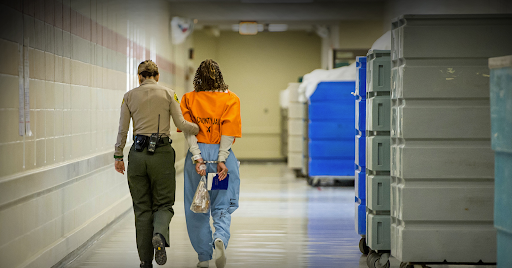
Overcrowding in jails is an old problem that has marred criminal justice system in the United States. The detention facilities are usually overpopulated, which places both prisoners and employees in unsafe conditions and puts a strain on taxpayer resources. The commercial bail industry has a very important but also underestimated role in the sustenance of the judicial process within this complicated ecosystem. Bail bond agencies serve as a pressure valve in the correctional system, helping to relieve overcrowding in the jails by allowing defendants to be released on pretrial bonds in case they are not really a threat to society.
Financial Burden of Incarceration

Keeping an inmate is a costly affair. Food prices, medical services, security and administration are fast becoming expensive- sometimes more than $100 per day per prisoner. The financial weight on the county goes through the roof when there are low-level offenders awaiting trial in the jails due to the inability to pay a bail. This takes up money that could be used to more productive activities such as community policing, rehabilitation initiatives or infrastructure.
The burden on the taxpayer is reduced by the private bail industry at no expense. When the family uses the services of a professional bail bond agency, the economic risk of release is shifted to the private sector by the public. The agency also ensures that the entire bail money is provided to the court in order to guarantee that the defendant comes to trial. In the case where the defendant escapes, the agency rather than the police or the courts is to find and bring him/her back. This system enables the county to release the individuals safely, without the need to finance pretrial supervision programs that are costly to run per person defendant.
Facilitating Court Appearance and Accountability

Opponents of the cash bail system frequently advocate the release on own recognizance (OR) under which defendants will be freed on the condition that they will come back. Although it works in certain cases, the statistics always indicate that defendants that post their bonds on surety tend to be present in their court sessions than their counterparts who post their bonds on OR.
The increased rate of appearance is essential in alleviating overcrowding in the long-term. A defendant who fails to turn up in court is re-arrested and returned to prison creating another congestion to the system. Bail agents are making proactive follow ups on their clients by reminding them of court dates and check-ins. This layer of private oversight helps in ensuring that the legal process proceeds effectively and the process of re-arrests does not continue to fill the jail beds without any purpose.
The Priority of Public Safety Resources
The bail system helps to prioritize the limited space at jails as it facilitates the release of non-violent defendants who have a vested interest in their release. Those offenders who are prone to various risks and those convicted of major crimes can be effectively held in custody, whereas those accused of minor offenses can resume their families and jobs. This segregation is crucial to the safety of the population and to the humane environment of the detention facility.
Conclusion
Although the question on criminal justice reform still rages on, the commercial usefulness of the bail system is quite clear. Bail bond agencies offer a very crucial service as it shifts the burden of financial responsibility to the private sector and helps guarantee the high success rates of court attendance. They will help to keep the correctional system not falling under its load, which will save the taxpayer dollars, and individuals will be able to defend their cases in a free position.