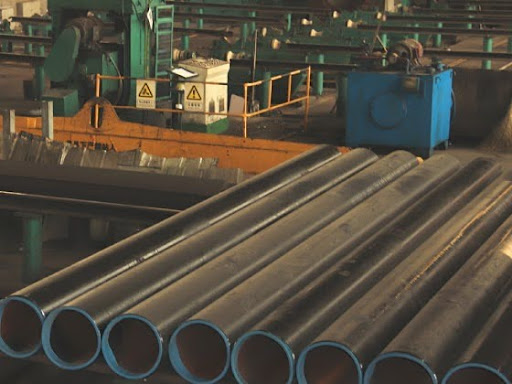
Steel pipes come in many types for different jobs. Two common ones are structural pipe and fluid pipe. They look similar, but they serve different purposes. Mixing them up can lead to safety issues or poor performance. This article explains the main differences. We cover uses, materials, standards, and more so you can pick the right one.
What Is a Structural Pipe?
Structural pipe is made to support weight and provide strength in buildings and other structures. It acts as part of frames, columns, beams, or supports. You see it in construction for bridges, buildings, towers, scaffolding, and machinery frames.
The main goal is to handle loads like compression, tension, bending, or twisting. It needs to be strong and stiff to keep things stable. Structural pipe is often round but can come in square or rectangular shapes too for easier fitting in designs.
Common materials include carbon steel or low-alloy steel. These give good strength without high cost. Contact a trusted carbon steel pipe exporter for all your pipe needs.
What Is a Fluid Pipe?
Fluid pipe, sometimes called line pipe or transport pipe, carries liquids or gases from one place to another. It moves water, oil, natural gas, chemicals, or steam in pipelines, plumbing, or industrial systems.
The key job is safe and efficient flow. It must hold pressure, resist leaks, and handle corrosion from the fluid inside. Fluid pipe is almost always round to allow smooth flow and even pressure.
Materials focus on things like corrosion resistance and tightness. Carbon steel is common, but stainless or coated versions get used for tough fluids.
Main Uses Side by Side
Structural pipe goes into load-bearing spots. Think building skeletons, fence posts, or equipment bases. It does not carry fluids under pressure as its main role.
Fluid pipe handles transport. Examples include oil pipelines, water supply lines, gas distribution, or boiler tubes. It is not designed to support heavy structures alone.
In short, one supports weight, the other moves stuff.
Key Differences in Design and Requirements
Structural pipe needs high strength for bearing loads. It focuses on yield strength, tensile strength, and toughness to avoid bending or breaking.
Fluid pipe needs good sealing and pressure resistance. It must pass hydrostatic tests to check for leaks and hold pressure without failing.
Wall thickness differs too. Structural pipe often has consistent thickness for uniform strength. Fluid pipe uses schedules like Sch 40 or Sch 80 to match pressure needs.
Surface finish matters more for fluid pipe to keep flow smooth and avoid buildup inside.
Standards and Specifications
Standards set the rules for each type.
Structural pipe often follows ASTM A500 for cold-formed welded and seamless carbon steel structural tubing. Other common ones include ASTM A501 or EN standards for structural use.
Fluid pipe uses ASTM A53 for general fluid transport, ASTM A106 for high-temperature service, or API 5L for oil and gas lines. These stress pressure ratings, hydrostatic testing, and chemical limits for safe transport.
The standards make them non-interchangeable in most cases. Using structural pipe for high-pressure fluid can risk leaks or bursts.
Material and Manufacturing Differences
Both can be seamless or welded, but focus shifts.
Structural pipe prioritizes mechanical properties like elongation and impact resistance for durability under load.
Fluid pipe adds checks for cleanliness inside, corrosion resistance, and weld quality to prevent weak spots that could leak.
Some fluid pipes get galvanized or coated for extra protection against rust from water or chemicals.
Size and Dimension Specs
Structural pipe sizing often uses outside diameter and wall thickness directly. Tolerances allow for strength needs.
Fluid pipe uses nominal pipe size based on inside diameter for flow capacity. Wall thickness follows schedule numbers to handle pressure.
This means the same outside size might have different inside space or strength.
Performance in Real Conditions
In structural use, pipe faces weather, vibration, or impacts. It needs to last without cracking.
In fluid use, pipe deals with internal pressure, temperature changes, and fluid corrosion. It must stay sealed over long runs.
Structural pipe might handle some pressure in low-demand cases, but fluid pipe is not meant for heavy structural loads without extra support.
Cost and Availability Factors
Structural pipe is often cheaper for basic carbon versions since demands are simpler.
Fluid pipe can cost more due to extra testing and coatings. High-grade ones for oil/gas add to the price.
Both are widely available, but check specs for your project.
When You Might Choose One Over the Other
Pick structural pipe for building frames or supports where strength counts most.
Choose fluid pipe for any system moving liquids or gases, especially under pressure.
Never swap them without engineer approval. In strict codes, it’s not allowed for safety reasons.
Safety and Code Considerations
Building codes require right materials for structures. Using fluid pipe as structural might not meet load rules.
Pipeline codes demand fluid pipe for transport to avoid accidents like leaks.
Always follow local regs and get professional advice.
Common Mistakes to Avoid
People sometimes use structural pipe for low-pressure water lines to save money. This risks failure if pressure spikes.
Others try fluid pipe in structures for its availability. It may lack the right strength.
Stick to the intended use to stay safe and compliant.
Future Trends in Pipe Use
New alloys improve both types. Structural pipes get lighter high-strength steels. Fluid pipes add better corrosion resistance for harsh environments.
Sustainability pushes recycled materials and coatings in both.
Wrapping It Up
Structural pipe and fluid pipe serve clear different roles. One builds strong frameworks, the other safely moves fluids. Understanding differences in use, standards, strength, and sealing helps pick the best option. For your next project, match the pipe to the job.
Need reliable options? Check out this structural steel pipe manufacturer for quality structural products.