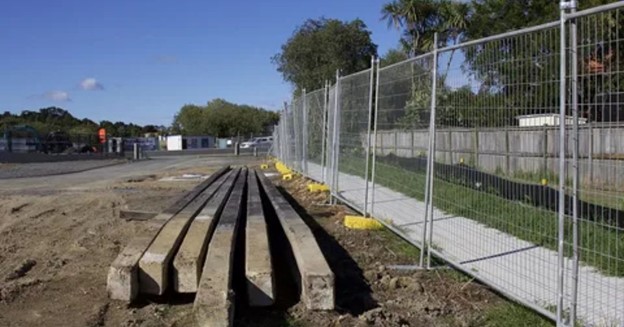
Temporary fencing is a practical barrier used to secure a site for a short period. It helps guide people to protect equipment and mark out safe working zones. This simple setup keeps a project organised while giving everyone on site a clear sense of direction.
Contractors rely on temporary fencing because it offers control, safety, and quick flexibility. It can be moved, adapted, or strengthened as the job changes and grows. Pick the wrong setup, though, and your site can turn messy fast, so here comes the part that you will want to hear.
What Makes Temporary Fencing Essential for Contractors
Temporary fencing gives contractors a simple way to guide people, protect tools, and keep every part of the site in order. It creates a clear barrier that helps workers feel safe while also keeping visitors away from trouble. With the right setup, you can shape a workspace that feels calm, steady, and easy to manage.
Good site control makes the whole job smoother and safer for everyone involved. When your boundaries are clear, your team knows where to move and what areas to avoid. This small bit of structure can stop problems before they start and that is a win on any busy project.
Key points every contractor should know
- It helps keep the public away from active work
- It protects valuable tools and materials.
- It guides safe movement for workers.
- It supports better planning on large sites.
- It helps meet local safety rules
- It builds trust by showing the site is well-managed
Main Types of Temporary Fencing and Where Each One Excels
Temporary fencing comes in a few handy forms and each one shines in its own way. Some options suit wide open sites, while others fit tight, busy spaces where steady control matters. Knowing what fits your job helps you build a site that feels safer and easier to run.
Every style of temporary fencing brings a mix of strength, height, and stability. Pick the right match and your team moves with confidence each day. Pick the wrong one, and you may face avoidable delays, so it pays to learn how each type truly works.
Standard Panel Fencing
This type of temporary fencing fits most building sites and offers steady support from the first day of work. It holds firm on flat ground and gives a clear boundary that keeps the job running smoothly. Many contractors rely on it because it is quick to set up and simple to move when plans shift.
Heavy Duty Fencing
Heavy-duty temporary fencing steps in when your site needs stronger protection. It stands firm in busy zones where machines, people, and materials move all day. This option helps you keep order and gives your team the confidence to work without worry.
Mesh Screen Fencing
Mesh screen temporary fencing works well when you want privacy and a cleaner look around the site. It helps cut dust and shields your work from public view. This makes it a top choice for projects in towns where people walk close to the boundary.
Water Filled Barriers
Water-filled barriers offer a safe option for roads, paths, and event routes. This form of temporary fencing is easy to place and remove while still giving strong control over the flow of people and light traffic. It is a smart pick when you want safety without heavy lifting.
How to Select the Right Temporary Fencing for Your Projects
Choosing the right temporary fencing starts with knowing what your site truly needs. Think about the space, the ground, and the flow of your team as you plan your setup. A clear idea at the start helps you avoid trouble later and keeps the whole job steady.
Every project has its own shape and rhythm, so the best choice is the one that supports both safety and smooth movement. When you match your fencing to your daily demands, your site feels organised from the first step. Careful planning here can save time, stress, and money.
Must Have Accessories That Improve Site Performance
The right add-ons can lift the strength and flow of your temporary fencing setup and make each day on-site feel smoother. These small helpers bring extra steadiness, safety, and order, so your team can move with ease. With the proper gear in place, your whole project gains a solid boost.
Good accessories also help you shape clear paths and safer work zones without slowing progress. They keep panels firm, guide visitors, and cut down on avoidable site stress. A few smart choices here can make your fencing work far harder for you.
Common Mistakes to Avoid
Many sites run into trouble when temporary fencing is set up in a rush without proper thought. Weak support or poor placement can leave panels wobbling and that puts workers and visitors at risk. A little care at the start saves a world of hassle later.
Another mistake is forgetting local safety rules or skipping daily checks that keep the whole setup firm. When these steps are missed small issues slowly grow into big problems. Smart planning here keeps your site safe, steady, and easy to run.
Mistakes worth steering clear of
- Using the wrong fencing strength for the site
- Skipping checks that spot loose panels early
- Leaving wide gaps that invite unwanted entry
- Ignoring changes in ground levels
- Forgetting rules set by local authorities
- Placing panels too close to heavy traffic paths
Conclusion
A well-planned setup can turn any site into a place that feels safe, clear and easy to manage. With the right choices, your team moves with steady confidence, and your work flows with fewer surprises along the way.
Each project brings its own needs so the best path is to match your tools to the shape of your daily tasks. When you understand how each option serves your goals, your site becomes calmer, stronger, and far more ready for success.