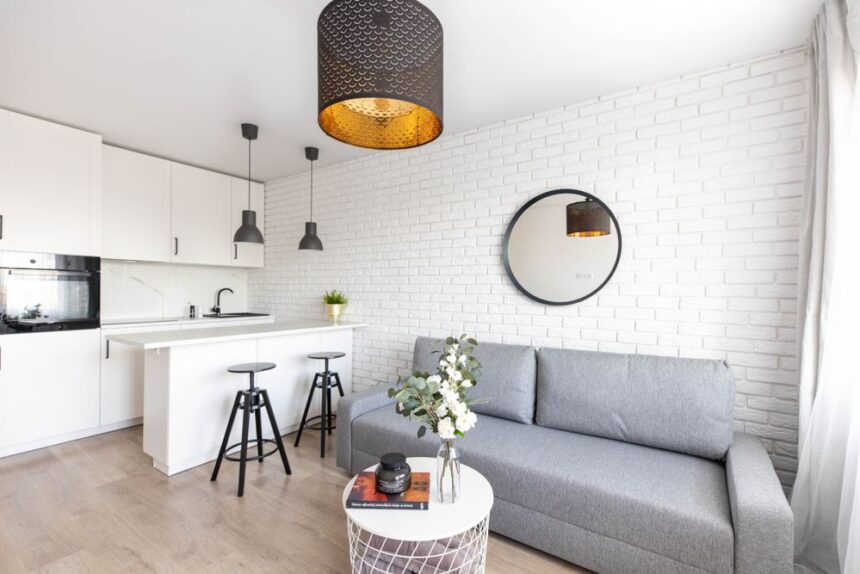
The Porcelain floor tiles offer surprising depth when placed with care. Large format ones stretch the eye across the room. Light bounces differently where there are fewer seams. Openness grows even within tight walls. Choices in texture matter as much as color. Smooth finishes reflect what little light exists. Bold patterns distract from cramped corners. Simpler layouts make ceilings seem higher. Surfaces shape perception more than size ever could.
Small rooms gain a sense of space when tiles are picked with care. Brighter vibes come through lighter shades, not just white ones. Size illusion grows when patterns run wide instead of short. Texture matters more than glossy finishes often suggest. Big tiles reduce grout lines, which helps openness feel real. Layout direction shifts perception – diagonal arrangements stretch visual depth. Consistent color across the floor and wall blurs boundaries gently. Matte surfaces handle light differently, softening harsh reflections. Room shape guides what works best without strict rules. Choices add up quietly, shaping the atmosphere piece by piece.
Understanding the Visual Psychology of Space
Start by thinking about how your eyes see an area. What matters most? It’s the way light bounces, surfaces feel, size looks, plus how smoothly one thing flows into another. Rooms seem bigger when patterns stay calm, transitions stay gentle. Too much breakage – tiles cutting sightlines, sudden shifts in design – squeezes the feeling of openness.
The porcelain floor tiles really come into their own here. With surfaces that feel sleek underfoot, colors that stay even across batches, one big reason they work so well is how easily they’re made in wide sizes. These larger slabs mean fewer seams cutting up the space. Because of this, rooms appear longer than they actually are – edges blur, sightlines extend. What you see doesn’t stop at the walls.
Why Porcelain Floor Tiles Are Ideal for the Small Spaces
Porcelain floor tiles save the space and look great in small rooms
When it comes to standing up for daily life porcelain tiles hold their ground. These floor options block water better than most older types of flooring. Stains have a hard time sticking around on their smooth surfaces. Heavy foot traffic won’t leave marks easily, which helps in busy spots at home. Kitchens see lots of spills, yet these tiles stay unaffected. Bathrooms benefit just as much due to constant dampness. Hallways take abuse from shoes and bags – tiles keep looking fresh. Even living spaces get tough love from furniture sliding now and then. Small houses gain more by using something that lasts without needing fuss.
Picture how porcelain fits into room layouts – it bends to look like stone, wood, marble, or even concrete. Yet underneath the appearance, there’s always an even flow across the surface, never too busy. Small rooms need that mix: realness without chaos. What matters most shows up quietly in tight areas.
Light Reflection and Surface Finish
When space feels tight, every bit of brightness counts. Shiny porcelain floors bounce sunlight around, making cramped areas appear larger. Soft-lit tiles do their part too, especially if they’re pale. These surfaces lift a room’s mood without stealing attention from furniture or walls.
Flooring made of porcelain links nearby areas smoothly. Because the material continues without breaking across rooms, sight follows it naturally. Spaces feel like one big place when nothing interrupts the ground beneath.
The Role of Large Format Tiles in Expanding Space
Large format tiles make spaces feel bigger
Floors change when tile size grows. Less grouting means fewer breaks in sight. Small tiles chop up space, add clutter to the look. Wide surfaces flow easier, guide the gaze further. Space opens where lines fade.
Proper placement transforms big tiles into seamless surfaces, stretching space beyond its limits. Walls stretch further once grout lines fade from view. Length grows where eyes can’t detect breaks.
Colors that make rooms feel bigger
Out there among walls and floors, color shapes what you see. Soft white tile bounces light around like morning on snow. Warm beige doesn’t shout – it just opens up corners quietly. Pale grey slips through the room without weight. Cream tones linger gently, making ceilings feel farther away. Each shade spreads space wider by letting brightness move freely.
Suddenly, big tiles make spaces feel wider when matched with these shades. With no sharp color clashes, the room holds together loosely, more open than closed off.
Consistency Across Surfaces
Start at the base, carry one hue up through the floor and wall. A single shade flowing across surfaces softens corners where they meet. Picture tile climbing from ground to vertical plane – common in kitchens or baths – it lifts the space, makes it feel joined. Big slabs help, especially when seams between them nearly vanish.
Tile layouts that change the look
Placed one way, long tiles stretch a thin room out in your mind. Go sideways with them, that same space seems to widen without changing walls. How you set the pieces changes what the eye believes it sees.
Beyond one room into the next, tiles that line up create a quiet rhythm. Moving through space feels smoother when lines don’t break at thresholds. Where floors stay consistent, boundaries blur slightly. A sense of width grows without adding walls or removing doors.
Natural Looks with Modern Precision
Porcelain now copies nature so closely you might do a double take. Wide wood-style slabs bring a cozy texture without losing that sleek edge. Big stone-effect panels add dimension, yet keep rooms feeling open. Clever sizing tricks help small areas breathe more easily.
Feature Walls Without Visual Clutter
A touch of texture catches the eye – just one wall, done in deeper porcelain, pulls space forward instead of closing it in. Large format tiles keep things steady, their wide surfaces holding attention without breaking it into pieces. What could feel busy stays calm because fewer seams mean less distraction. The result stands out quietly, strong but not loud.
Maintenance Benefits for Compact Living
When rooms stay small, they tend to get used a lot. That means materials must hold up under pressure. Tough surfaces make life simpler down the road. These floor tiles don’t need much care at all. Blemishes rarely show thanks to their tough finish. Water doesn’t cause damage either. Looks stay fresh without extra effort. A tidy appearance sticks around year after year.
Conclusion
Turns out, making a small room feel bigger isn’t about filling it up – it’s picking surfaces that work better. Porcelain floor tiles do well because they last long while looking clean and smooth. Big size tiles help too, cutting down grout lines so the eye moves easier across the floor. Choosing light shades or matching tones keeps things flowing without breaks. How you lay them matters just as much – straight rows stretch the look outward. When installed tightly, gaps vanish almost completely. That smooth span tricks the mind into seeing more area than there really is. Together, these choices shape how wide or tight a space feels underfoot.
Spaces gain a sense of openness when details flow smoothly, cutting clutter while guiding the eye. A room need not be large to feel complete quiet cohesion does more than size ever could.