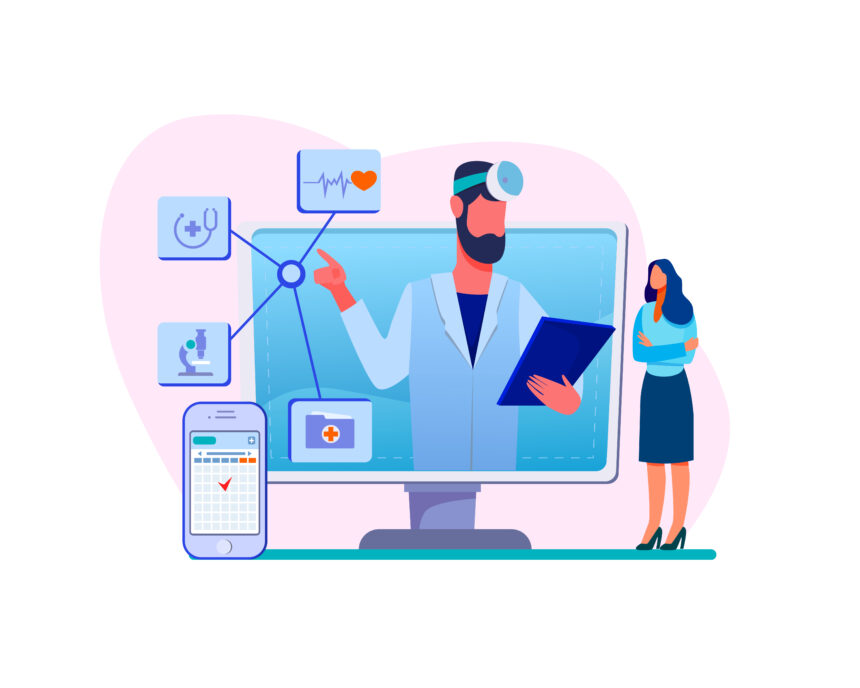
Remote patient monitoring software has become a significant component of the healthcare system of the 21st century, which provides the digital foundation on the basis of which clinicians can monitor the health of patients in real-time, organize interventions, and enhance the results between visits.
As the prevalence of chronic illnesses is increasing, and care teams are treating more complicated patients, effective RPM software offers the framework and intelligence to form a complete, proactive care provision approach. It converts raw data into valuable knowledge, enhances communication, and promotes value-based care objectives in a wide range of healthcare settings.
The Central Hub for Connected Patient Data
Software capable of collecting patient information, organizing it, and interpreting it seamlessly is at the center of any successful RPM program. The devices, such as blood pressure meters, glucose meters, scales, and pulse oximeters, are installed directly in the system, forming a continuous flow of information. Clinicians can see real-life trends as opposed to relying on periodic readings whenever they visit an office, rather than viewing the information at the time of the office visit.
A platform that is properly designed will bring together all this information in a user-friendly dashboard. This will provide care teams with the full picture of the evolution of each patient, and in this way, they can easily detect the pattern of risks or alterations of concern. This makes the decision-making more rapid, correct, and closer to the actual day-to-day experience of the patient.
Streamlined Workflows for Busy Care Teams
RPM software is at its best in cases where it makes the administration burden less and not more. Individualized thresholds, automated notifications, and smart triage features enable the staff to pay attention where it is most needed. Most of the platforms also have documentation tools to ease the process of tracking the metrics, interactions, and interventions needed to facilitate the compliance and reimbursement process.
When workflow has been simplified, care teams can handle more patients and still maintain care quality. Nurses and care managers will be able to focus outreach on the urgent needs, react to clinical changes earlier, and spend more time educating and coaching patients. In the long term, it results in the increased efficiency of operations and a healthier population of patients.
Enhancing Patient Engagement and Self-Management
Software that allows easy communication and clear understanding of their health with respect to their health is of great benefit to the patients. Most RPM systems enable patients to see their readings, get reminders, or communicate with their care team via messaging or telehealth capabilities. This regular communication enables patients to have a better understanding of their condition and motivates them to be active in their treatment.
Patients feel more confident when they know their progress and give timely feedback, which makes them more confident in dealing with chronic conditions. This builds confidence in the care team and increases the adherence rates, reduces care gaps, and enhances long-term health outcomes.
Supporting Data-Driven Clinical Decisions
Information that is gathered using RPM software is even more useful when it can be interpreted and used in practice. The most efficient platforms have analytics tools that allow pointing out trends, anticipating risks, and assisting clinicians in modifying treatment plans in advance. These lessons can aid early intervention, and in many cases, they help in the prevention of complications that may otherwise lead to emergency cases or hospitalizations.
In the case of organizations that are involved in value-based care programs, it is necessary to make decisions that are based on data. RPM software includes the quantifiable knowledge required to enhance quality measurements, decrease unnecessary utilization, and prove quantifiable effects on patient health.
Strengthening Care Coordination Across the Continuum
Patients having chronic illnesses usually deal with several experts, and a lack of communication may result in poor consistency of care. RPM software enhances coordination because it provides a centralized platform through which all the authorized providers may access real-time data and care notes. This will guarantee that all clinicians who work with the patient containing the information know to make an informed choice.
Increased connection makes treatment plans consistent, medication change updates are shared, and specialists are able to work more efficiently. This degree of coordination not only improves patient outcomes but also prevents service duplication and system expenses in general.
Conclusion
Remote patient monitoring software is not merely a technological device. It signifies a change in the direction of a healthcare system where there is a focus on continuous monitoring, early intervention, and relationships with patients. With the changes in technology, software platforms will keep adopting more state-of-the-art analytics, AI, and increasingly personalized engagement capabilities, which will take RPM to the next level.
By embracing powerful RPM software, healthcare organizations are setting the stage for a future in whereby care is not only contained within the four walls of the clinic but is also provided by the healthcare organization in the day-to-day lives of the patients. Through adopting this digital framework, providers have the opportunity to provide more proactive, fair, and efficient care- establishing the basis of healthier communities and a more integrated healthcare experience.