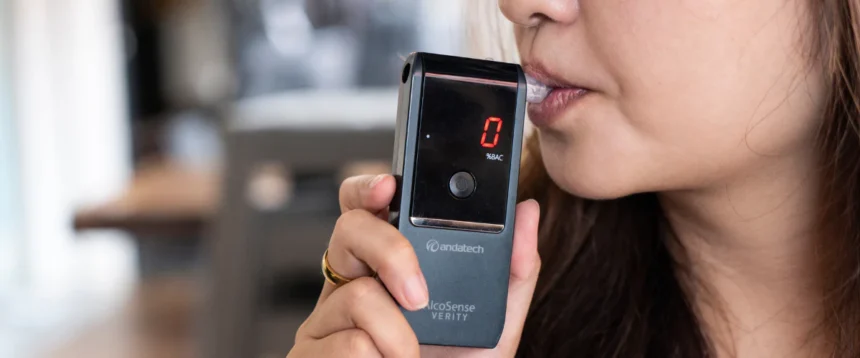
Choosing a breathalyser for home alcohol testing helps anyone who wants to stay aware of their blood alcohol concentration and make safer choices before driving. Modern personal devices can give dependable results, but the best one depends on how often it will be used and the level of accuracy required. The right breathalyser for home use depends on how frequently a person tests and the accuracy they expect from their device.
Many types of home breathalysers exist, from simple single-use testers to advanced digital models with fuel-cell sensors. Each type serves a different purpose. Some offer quick checks after social drinking, while others give readings closer to professional standards used in law enforcement.
Knowing the difference between these technologies helps make an informed decision. A well-chosen breathalyser not only provides peace of mind but also supports responsible habits that help avoid unnecessary risks.
Understanding Home Breathalysers and Blood Alcohol Concentration
Home breathalysers help people estimate their blood alcohol levels before driving or making other decisions. The technology measures alcohol in the breath using sensors, and the results give an approximate blood alcohol concentration (BAC). Different models use varied methods that affect their precision and consistency.
What is BAC and Why It Matters
Blood Alcohol Concentration (BAC) measures the amount of alcohol in a person’s bloodstream. It shows how intoxicated someone is and how alcohol may affect their coordination and judgment. Most countries set a legal BAC limit for drivers, typically around 0.08%, though some regions use lower thresholds.
Even small rises in BAC can reduce reaction time and concentration. A breathalyser converts the amount of alcohol in a breath sample into an estimated BAC reading. The result helps the user decide whether they are still under the legal limit.
Using a home breathalyzer test can support responsible choices. It gives a quick estimate without needing lab equipment. However, results can vary depending on device quality, calibration, and timing after drinking. Regular testing can highlight how alcohol levels change over time and how factors such as food or body weight affect readings.
Types of Breathalysers for Home Use
Home units fall into three main groups: fuel cell, semiconductor oxide, and single-use models. Each type has different strengths and limitations that influence accuracy and cost.
Fuel cell breathalysers use a chemical reaction between alcohol and platinum electrodes. They often give consistent results and are suitable for frequent use. Law enforcement also uses similar technology, though home models may be smaller and less advanced.
Semiconductor oxide models measure changes in electrical resistance caused by alcohol vapour. They usually cost less, but their readings can drift over time and may respond to substances other than alcohol.
Single-use breathalysers rely on a chemical colour change to show possible intoxication. These work well for occasional checks but provide only rough estimates. Understanding the differences helps buyers select a product that matches their needs for accuracy, convenience, or price.
How Alcohol Detectors Work
Breathalysers estimate BAC by measuring alcohol vapour in exhaled air. The breath passes through a sensor that reacts with alcohol molecules. The device then converts the reaction into a digital reading or colour change. Although readings are indirect, they are designed to reflect blood levels based on average physiological ratios.
Fuel cell sensors generate an electrical signal proportional to alcohol content. Infrared models, often used by authorities, detect how alcohol absorbs light at specific wavelengths. Semiconductor units track resistance shifts in metal oxide layers.
Accuracy depends on proper calibration, environmental conditions, and the time gap between drinking and testing. Users should wait at least 15 minutes after alcohol consumption to avoid false readings. With regular maintenance and correct use, a home device can provide consistent support for safer and more informed choices.
How to Choose the Right Breathalyser for Your Needs
Selecting an alcohol breath tester for home use depends on how often it is needed, the level of accuracy expected, and the budget available. Different sensor technologies, calibration methods, and extra features influence how well a breathalyser performs and how convenient it is to maintain.
Fuel Cell Sensors vs. Semiconductor Sensors
Fuel cell sensors and semiconductor sensors differ in how they detect alcohol and in their overall accuracy. A fuel cell sensor measures ethanol in a breath sample through an electrochemical reaction. This method produces a small current that reflects the amount of alcohol in the user’s system. As a result, fuel cell models, such as the Veipao alcohol breathalyzer, tend to provide consistent and precise readings that change little with time.
By contrast, semiconductor sensors rely on a heated chemical element that reacts to alcohol vapour. These units often cost less but may lose accuracy if left uncalibrated for long periods. Users who drive frequently or need higher consistency should select a fuel cell unit, while occasional testers may find semiconductor units more practical due to lower cost and simpler upkeep.
Single-Use Breathalysers: Pros and Cons
Single-use breathalysers, sometimes called disposable breathalysers, are designed for quick one-time checks. They contain a chemical tube that changes colour in the presence of alcohol. This simple system allows fast results without the need for electronics or calibration.
The main benefit lies in the low purchase price and ease of use. A person only breathes through a blow bag into the tube and waits a few minutes for a colour change. However, these testers often provide broader result ranges and are less accurate than digital units. They also create waste since each test requires a new device.
Single-use breathalysers suit drivers who rarely drink or who simply want reassurance before driving but are not intended for those who need regular or highly precise monitoring.
Evaluating Accuracy and Calibration
Accuracy is one of the most important features of any breathalyser. Fuel cell models usually read within a few percent of professional police devices, making them a strong choice for users who rely on exact results. Semiconductor units may drift after months of use, so they should be recalibrated once or twice a year.
Calibration keeps readings consistent by adjusting the sensor to known alcohol standards. Some digital models indicate when recalibration is due, while cheaper ones might require sending to a service centre.
Users should also test under proper conditions, waiting at least 20 minutes after a drink, to prevent residual mouth alcohol from affecting the measurement. Accuracy depends as much on correct use as on sensor type.
Popular Models and Features to Consider
Several consumer breathalysers today combine compact design with improved sensors and convenient displays. Digital devices may include fuel cell sensors, data storage, countdown timers, or visual cues to estimate how long before alcohol levels drop below the limit.
Models like the Veipao alcohol breathalyzer typically offer a clear interface and multiple mouthpieces for hygiene. Some units show readings in milligrams per litre, while others display blood alcohol concentration (BAC) percentages.
People who test often may prefer rechargeable units with quick warm-up times. Those who need only occasional checks might choose a low-cost semiconductor or single-use option. Buyers should compare accuracy ratings, calibration reminders, and measurement units before making a decision.
Conclusion
Choosing a breathalyser for home alcohol testing depends on how often a person intends to use it and how precise the results need to be. Devices that use fuel cell sensors usually give the most accurate readings and stay stable over time. Those based on semiconductor sensors offer a more affordable option for occasional users.
Individuals should also check factors such as battery life, recalibration needs, and ease of use. These details influence how consistent the results will remain after repeated tests.
For infrequent use, single-use testers can serve as a quick and simple guide, though they do not match the dependability of digital models.
In summary, the best choice is a unit that balances accuracy, convenience, and cost. Selecting a device that fits personal habits allows safer and more informed decisions about alcohol levels before driving or other activities.