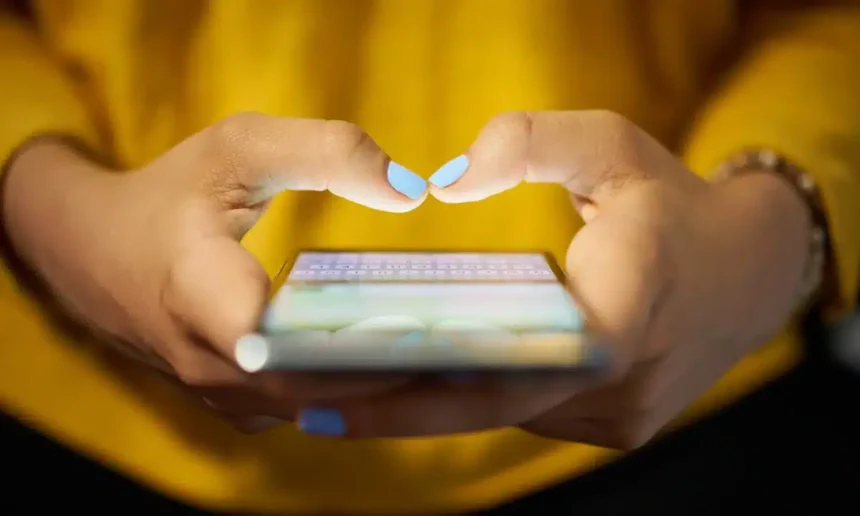
Screens glow in bedrooms, on trains, and at dinner tables. People scroll through feeds of smiling faces and curated lives while sitting alone. They swipe through profiles of potential partners without speaking a word aloud. The promise was simple: technology would bring us closer together. The outcome has been different.
Loneliness now affects 57% of Americans, according to the 2025 Evernorth Research Institute survey. This number has climbed steadily as platforms designed to connect people have become fixtures of daily life. The U.S. Surgeon General’s Advisory notes that poor social relationships increase heart disease risk by 29% and stroke risk by 32%. Social isolation carries physical health effects comparable to smoking 15 cigarettes daily.
These numbers point to a contradiction at the center of modern life. Never before have people been so connected digitally, and never before have so many reported feeling disconnected emotionally. The tools meant to reduce isolation have, for many, reshaped how loneliness is experienced rather than eliminating it.
The Scroll That Leaves You Empty
A 2025 study from Oregon State University tracked social media usage patterns and their effects on wellbeing. Adults in the top 25% of usage frequency were more than twice as likely to report loneliness compared to lighter users. The correlation held across age groups and platforms.
Baylor University researchers identified something they called a “sobering paradox.” Both passive browsing and active engagement on social media platforms link to increased loneliness. Watching others post creates feelings of inadequacy and exclusion. Posting yourself invites comparison and the anxiety of awaiting responses. The feedback loop feeds itself continuously.
People who feel lonely turn to their phones for relief. The relief does not come. Instead, the feelings intensify. Hours pass. The loneliness remains, often worse than before.
What makes this cycle especially powerful is its accessibility. The phone is always nearby. The scroll requires no vulnerability, no rejection, and no effort beyond movement of the thumb. Over time, this ease replaces more demanding forms of connection.
Relationship Choices in an Age of Disconnection
People search for connection through many paths. Some pursue conventional dating apps, others seek arrangements like sugar daddy dating, and many rely on social media to fill gaps in their social lives. A Psychology Today meta-analysis found dating app users showed worse mental health outcomes, including higher rates of depression and loneliness. The method of seeking companionship matters less than the fact that so many are seeking it at all.
Baylor University research describes a feedback loop where lonely people turn to social platforms to address their feelings, but this only intensifies isolation. The 2025 Evernorth Research Institute survey reports 57% of Americans are lonely.
The abundance of options can paradoxically deepen isolation. When connection feels endlessly available, it can become easier to delay commitment, vulnerability, or real presence.
Why Matching Algorithms Fall Short
Dating apps promise efficiency. Enter your preferences, upload your photos, write a bio. The algorithm does the rest. Thousands of potential matches appear at your fingertips.
The reality is more complicated. Research published in the Annals of the New York Academy of Sciences found that certain platforms, including some dating apps, were associated with higher loneliness levels among users. The apps reduce human beings to profiles. Decisions happen in seconds based on photographs and a few lines of text.
Rejection becomes constant and low-stakes. Users reject and get rejected dozens of times per session. This repetition numbs people to the process of meeting others. Real conversations feel laborious by comparison. Why invest in one uncertain interaction when another swipe brings another option?
The Performance of Connection
Social media requires people to present edited versions of themselves. Photos get filtered. Captions get drafted and revised. The gap between the presented self and the actual self grows wider with each post.
Other users see these performances and assume they are real. They compare their own ordinary lives to the highlights of everyone else. The comparison makes them feel worse about themselves and more reluctant to reach out genuinely.
This cycle discourages vulnerability. People become less willing to share struggles or admit loneliness because doing so breaks the unwritten rules of the platform. Everyone pretends to be fine. Everyone feels alone in their pretending.
Physical Presence Cannot Be Replaced
Video calls and text messages transmit information but not warmth. They lack the physical cues that human beings evolved to read: posture, breath, the small movements of hands and eyes. These signals tell us when someone is truly listening, when they are bored, when they are holding something back.
Online interactions strip away this information. We are left with words and images, trying to reconstruct meaning from incomplete data. Misunderstandings multiply. Nuance disappears.
Meeting in person remains different in kind, not degree. Sharing physical space with another person activates parts of the brain that screens cannot reach. No amount of optimization will change this.
Breaking the Pattern
Reducing screen time helps, but the problem runs deeper than hours logged. The issue is substitution. People have replaced in-person relationships with digital approximations and found the trade unsatisfying.
Rebuilding requires intention. Scheduling face-to-face meetings, even when they feel inconvenient. Calling instead of texting. Sitting with discomfort rather than reaching for the phone to numb it.
These actions feel awkward at first. They require more effort than scrolling. But they address loneliness in ways that apps cannot. The platforms will continue to exist. The question is what role they play in a life that includes real human contact.
The data on loneliness shows a population searching for connection through tools that cannot provide it. The tools are not broken. They simply were never capable of delivering what we need.
Conclusion
Social media and online dating have reshaped how people meet, communicate, and seek companionship, but they have not replaced the human need for presence. The rise in loneliness reflects a mismatch between digital convenience and emotional fulfillment. Screens can introduce, inform, and entertain, but they cannot substitute shared space, unfiltered conversation, or sustained attention. Addressing modern isolation requires using technology deliberately while rebuilding habits that prioritize real connection over constant digital engagement.
Frequently Asked Questions
Does social media increase loneliness?
Research consistently shows a correlation between heavy social media use and increased feelings of loneliness, especially when online interaction replaces in-person connection.
Are dating apps bad for mental health?
Dating apps can contribute to anxiety, rejection fatigue, and loneliness for some users, particularly when use becomes frequent and emotionally draining.
Why do people feel more isolated despite being more connected online?
Digital interactions often lack physical presence, vulnerability, and emotional depth, which are essential for feeling truly connected.
Can reducing screen time help with loneliness?
Reducing screen time can help, but replacing digital interaction with intentional, face-to-face connection is more effective.
Is technology the main cause of modern loneliness?
Technology is not the sole cause, but it can intensify isolation when it replaces rather than supports real-world relationships.