Foenegriek, known globally as fenugreek, is a plant with a long-standing reputation in traditional medicine and culinary practices. While its origins trace back thousands of years to ancient civilizations in the Middle East, India, and North Africa, foenegriek has gained renewed attention in the United States as people search for natural ways to support overall health and wellness. Its seeds and leaves are rich in nutrients and bioactive compounds that have been studied for their potential role in blood sugar balance, digestion, hormonal health, and more. This article explores foenegriek through both a historical and modern lens, explaining how traditional knowledge aligns with current scientific insights and why it continues to be relevant today.
Understanding Foenegriek: What It Is and Where It Comes From
Foenegriek is a flowering plant from the Fabaceae family, closely related to legumes such as peas and beans. The small, golden-brown seeds are the most commonly used part, although the leaves are also valued in cooking and herbal remedies. Historically, foenegriek was cultivated in ancient Egypt, Greece, and Rome, where it was used for digestive support, skin care, and women’s health. In Ayurvedic and traditional Chinese medicine, it has long been appreciated for its warming properties and ability to support metabolic balance. Today, foenegriek is grown worldwide and widely available in the U.S. as whole seeds, ground powder, capsules, and teas.
Nutritional Profile and Active Compounds
One of the reasons foenegriek is so valued is its impressive nutritional profile. The seeds contain fiber, protein, iron, magnesium, and B vitamins, all of which contribute to overall health. Foenegriek is particularly rich in soluble fiber, which plays a role in digestive health and blood sugar regulation. In addition, it contains unique compounds such as saponins, alkaloids, and a naturally occurring amino acid called 4-hydroxyisoleucine. These bioactive components are believed to be responsible for many of foenegriek’s health benefits, making it more than just a culinary spice.
Traditional Uses Across Cultures
For centuries, foenegriek has been used as a multipurpose herbal remedy. In ancient Egypt, it was included in embalming practices and remedies for inflammation. Ayurvedic traditions used foenegriek to support digestion, enhance vitality, and promote lactation in nursing mothers. In the Mediterranean region, it was often consumed to improve appetite and recovery from illness. These traditional uses highlight foenegriek’s versatility and provide a foundation for modern research that continues to explore its potential benefits in a scientific context.
Foenegriek and Digestive Health

Digestive support is one of the most well-known benefits of foenegriek. Its high fiber content helps promote regular bowel movements and supports a healthy gut environment. Traditionally, foenegriek tea has been used to soothe indigestion, bloating, and mild stomach discomfort. Modern users often incorporate foenegriek into their diets to support gut health naturally. The mucilage formed when the seeds are soaked in water creates a soothing effect on the digestive tract, which may help reduce irritation and improve overall digestive comfort.
Blood Sugar Balance and Metabolic Support
Foenegriek has attracted significant attention for its potential role in supporting healthy blood sugar levels. Several studies suggest that the soluble fiber and specific amino acids in foenegriek may help slow carbohydrate absorption and improve insulin sensitivity. For individuals focused on metabolic wellness, incorporating foenegriek into meals or supplements may be a helpful addition to a balanced lifestyle. While it is not a substitute for medical treatment, foenegriek is often viewed as a complementary, food-based approach to supporting glucose control.
Heart Health and Cholesterol Management
Maintaining heart health is a priority for many Americans, and foenegriek may offer supportive benefits in this area as well. The fiber and saponins found in foenegriek are believed to help manage cholesterol levels by reducing the absorption of cholesterol in the digestive tract. Traditional use often involved consuming foenegriek as part of a heart-friendly diet. When combined with other healthy habits such as regular exercise and balanced nutrition, foenegriek may contribute to overall cardiovascular wellness.
Hormonal Health and Women’s Wellness
Foenegriek has long been associated with women’s health, particularly in traditional practices supporting menstrual comfort and lactation. It contains phytoestrogens, plant-based compounds that may interact gently with hormonal pathways. Nursing mothers have traditionally used foenegriek to support milk production, and it remains a popular herbal option today. Some women also use foenegriek to help manage symptoms related to hormonal fluctuations, though individual responses can vary. As with any supplement, consulting a healthcare provider is advised.
Benefits for Men’s Health and Physical Performance
Beyond women’s wellness, foenegriek has also been studied for its potential benefits for men. Some research suggests that foenegriek may support healthy testosterone levels and physical performance when combined with proper nutrition and exercise. Traditionally, it was used to promote strength and vitality. Today, foenegriek is often included in natural fitness supplements aimed at supporting energy, endurance, and overall male health, reflecting its broad appeal across different age groups.
Skin, Hair, and Anti-Inflammatory Properties
Foenegriek is not only consumed internally but has also been used topically for skin and hair care. Traditional remedies included foenegriek pastes for soothing irritated skin and promoting a healthy scalp. Its anti-inflammatory and antioxidant properties may help protect skin from environmental stressors. Modern natural beauty enthusiasts continue to explore foenegriek as an ingredient in DIY masks, oils, and hair treatments, appreciating its gentle and nourishing qualities.
How to Use Foenegriek Safely and Effectively
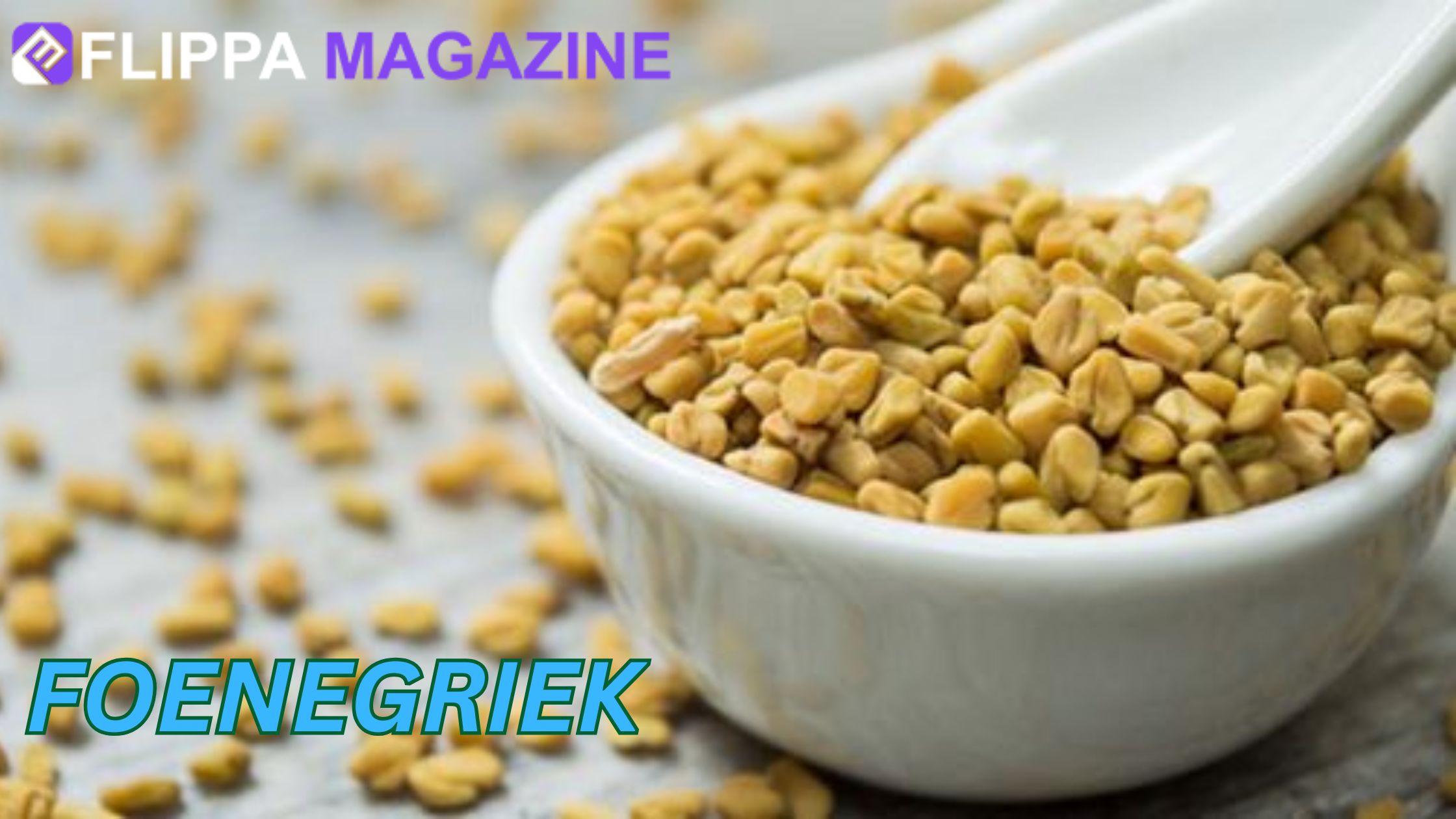
Foenegriek can be incorporated into daily life in several forms, including whole seeds, ground powder, teas, and standardized supplements. Soaking the seeds overnight and consuming them in the morning is a traditional method still practiced today. Culinary uses include adding foenegriek to spice blends, soups, and stews for a slightly nutty, bittersweet flavor. While foenegriek is generally considered safe for most people, excessive intake may cause digestive discomfort. Pregnant women and individuals on medication should consult a healthcare professional before regular use.
Modern Research and Scientific Perspective
Modern science continues to examine foenegriek to better understand its mechanisms and benefits. Clinical studies have explored its effects on blood sugar regulation, cholesterol management, and hormonal balance, with promising but varied results. Researchers emphasize that foenegriek works best as part of a holistic approach to health rather than a standalone solution. This balanced perspective aligns well with traditional wisdom, which has always viewed foenegriek as one component of a healthy lifestyle rather than a miracle cure.
Foenegriek and Weight Management Support
Foenegriek has gained attention in modern wellness circles for its potential role in supporting healthy weight management. The soluble fiber found in foenegriek seeds expands when mixed with water, which can help promote a feeling of fullness and reduce unnecessary snacking. Traditionally, it was consumed before meals to help control appetite, and this practice aligns with current dietary strategies focused on mindful eating. While foenegriek alone is not a weight-loss solution, it may complement a balanced diet and active lifestyle by supporting satiety and metabolic efficiency.
Anti-Inflammatory and Immune-Supporting Properties
Chronic inflammation is increasingly recognized as a contributing factor to many health concerns, and foenegriek may offer natural support in this area. The plant contains antioxidants and anti-inflammatory compounds that help the body respond to oxidative stress. Traditionally, foenegriek was used during recovery from illness to support strength and resilience. Today, its immune-supporting properties are of interest to those seeking plant-based ways to maintain overall wellness, particularly during seasonal changes or periods of increased physical demand.
Foenegriek in Modern American Diets
In the U.S., foenegriek is becoming more accessible and versatile than ever before. Beyond supplements, it is increasingly used in health-focused recipes such as smoothies, wellness teas, and plant-based meals. Its slightly sweet, nutty flavor pairs well with both savory and functional foods. As Americans grow more interested in global ingredients with proven benefits, foenegriek fits naturally into modern dietary trends that prioritize whole foods, natural remedies, and evidence-informed nutrition.
Choosing Quality Foenegriek Products
To experience the full benefits of foenegriek, quality matters. Whole seeds should be fresh, aromatic, and free from discoloration, while powdered forms should come from reputable brands with transparent sourcing. For supplements, choosing products that are third-party tested can help ensure purity and potency. Because foenegriek absorbs moisture easily, proper storage in airtight containers is essential. Making informed choices not only enhances effectiveness but also reflects a responsible approach to herbal wellness.
Conclusion: Why Foenegriek Still Matters Today
Foenegriek stands out as a powerful example of how traditional remedies can remain relevant in the modern world. Its rich history, nutritional value, and growing body of research make it a compelling option for those seeking natural ways to support health. From digestion and metabolic balance to hormonal wellness and heart health, foenegriek offers a wide range of potential benefits. When used thoughtfully and responsibly, it can be a valuable addition to a health-conscious lifestyle, bridging the gap between ancient traditions and modern wellness goals.
Frequently Asked Questions (FAQs)
1. What is foenegriek commonly used for today?
Foenegriek is commonly used to support digestion, blood sugar balance, heart health, and hormonal wellness. In the U.S., it is often consumed as a supplement, tea, or culinary spice, and is valued for its natural, food-based health properties.
2. Is foenegriek the same as fenugreek?
Yes, foenegriek is simply another name for fenugreek. The term “foenegriek” is commonly used in European contexts, while “fenugreek” is more familiar to American audiences. Both refer to the same plant and offer the same health benefits.
3. Can foenegriek help with blood sugar management?
Research suggests that foenegriek may help support healthy blood sugar levels due to its soluble fiber and bioactive compounds. It should be used as part of a balanced diet and healthy lifestyle, not as a replacement for medical treatment.
4. Are there any side effects of using foenegriek?
Foenegriek is generally safe for most people when used in moderate amounts. Some individuals may experience mild digestive discomfort, and it may interact with certain medications. Consulting a healthcare provider is recommended for long-term or supplemental use.
5. How can I add foenegriek to my daily routine?
Foenegriek can be added to your routine by soaking and eating the seeds, drinking foenegriek tea, using it in cooking, or taking it in capsule form. Choosing a high-quality source and using it consistently but moderately is key to experiencing its benefits.
FOR MORE : FLIPPAMAGAZINE