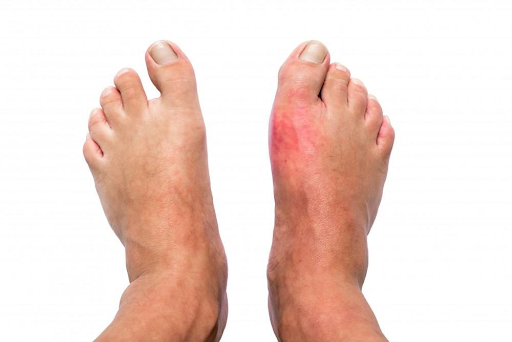
Neuropathy- nerve damage that leads to pain, numbness and weakness is a problem affecting millions of people in the world and has been treated with a few alternatives in conventional medicine. Conventional methods such as painkillers, anti-depressants and anti-seizure drugs only provide relief to a few patients but in most cases they are not effective enough or possess severe side effects. With traditional methods appearing to be exhausted, patients are seeking alternative methods that promise better results with less side effects.
Being aware of the variety of emerging treatment modalities in addition to standard pharmacological and surgical therapies can empower the neuropathy sufferers to make rational choices on how they can be treated. The current situation with treatment of neuropathy has seen the introduction of new methods which have real potential to alleviate symptoms and regenerate nerves.
Traditional Neuropathy Treatment Limitations
The traditional approach of neuropathy treatment is largely based on symptomatic curative treatment, as opposed to the correction of nerve damage. Painkillers only help treat the pain in the meantime but do not restore the nerve damage. Antidepressants and anti-seizure drugs are beneficial in some patients but have side effects such as drowsiness, dizziness, gastrointestinal disturbances and these side effects have a substantial effect on the quality of life. Neither of these medications is effective on all patients, and they leave chronic neuropathy victims in need of other options when conventional treatment has failed.
Nerve decompression and spinal cord stimulation are surgical procedures that are effective in treating particular types of neuropathy but are not applicable to all cases and are associated with surgical complications. The basic issue with most traditional treatments is that they only control the symptoms, but not regenerate the damaged nerves or treat the underlying pathological processes.
New Pharmacological and Neuromodulation Developments
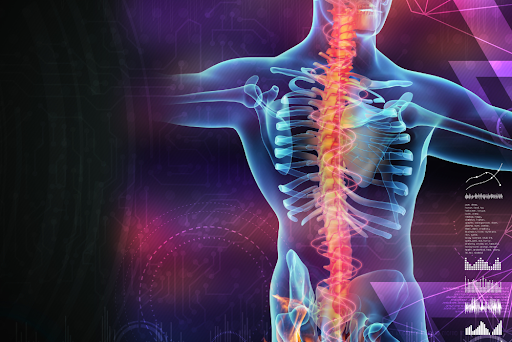
New developments have increased the treatment options of neuropathy significantly. The devices used to interrupt the pain signal are neuromodulation technology, such as the newly FDA-approved spinal cord stimulation technology to treat diabetic neuropathy. New drugs that attack the pathways involved in inflammation and oxidative stress take care of the underlying disease processes instead of merely covering the symptoms. Topical capsaicin patches have bought the benefit of delivering local pain relief without any systemic side effects and therefore are better than oral medications which have effects on the whole body.
These developments show a breakthrough and growth, but those patients who want a more substantial solution are still investigating the regenerative options that promise a permanent solution to repairing nerve damage instead of curbing the symptoms.
Mesenchymal Stem Cells as a New Therapeutic Method
A different type of an alternative treatment option for neuropathy is mesenchymal stem cell (MSC) therapy. Umbilical cord tissue MSCs have excellent regenerative and immunomodulatory characteristics. MSCs induce nerve regeneration, minimize inflammation, and safeguard deteriorated nerve tissue unlike traditional therapies that attempt to manage symptoms.
The evidence of MSC efficacy is available in a variety of types of neuropathy: animal research indicates that MSCs counteract the symptoms of diabetic peripheral neuropathy; clinical trials indicate that MSCs alleviate the symptoms of peripheral neuropathy induced by chemotherapy due to antioxidant and anti-inflammatory actions; and research indicates that MSCs stimulate axon regeneration and nerve repair following injury. The mechanisms are especially strong: MSCs rejuvenate the metabolism of cellular energy, controls oxidative stress, minimizes neuroinflammation, and reaffirms neuroprotective pathways.
Complementary and Lifestyle Approaches
In addition to the pharmacological and cellular treatment, there are evidence-based complementary practices that can be used in the treatment of neuropathy. Acupuncture is a practice of traditional medicine, which demonstrates potential to alleviate the neuropathic pain, and enhance the work of nerves. Alpha-lipoic acid, which is an effective antioxidant, is shown to have an effect in decreasing neuropathic pain, especially in diabetic neuropathy. Physical therapy and occupational therapy deal with functional and mobility restrictions and decrease the risk of falls using specific exercises and adaptative measures.
Individualized Therapeutic Integration
Neuropathy management involves one to one interventions involving the combination of diverse modalities. Integrating traditional symptomatic pharmacological treatment with new regenerative treatments, complementary therapies, and lifestyle changes results in holistic treatment of various aspects of the disease.
Conclusion
Although the traditional neuropathy management methods are effective in managing some patients, they have their limitations which are the reason motivating the investigation of the alternative methods. New pharmacological discoveries, innovations in neuromodulation and MSC regenerative therapy as well as evidence-based complementary techniques are providing patients with more choices on pain management and real nerve regeneration. As studies keep confirming the methods, neuropathy patients will be provided with effective measures of interventions aimed at curing the pathophysiology behind the disease as opposed to symptom covering. The consultation with medical workers who are aware of these new possibilities will assist the patient in creating personalized treatment plans that will maximize their results.