Are you looking to move heavy machines around your factory or workshop without a lot of hassle? A battery-powered machine skate might be exactly what you need. This guide walks you through everything step by step. We will talk about what these tools do, why they beat older methods, and how to pick the right one for your job. No fancy words, just clear facts to help you buy with confidence. Whether you run a small shop or a big plant, this will save you time and money.
What Is a Battery-Powered Machine Skate?
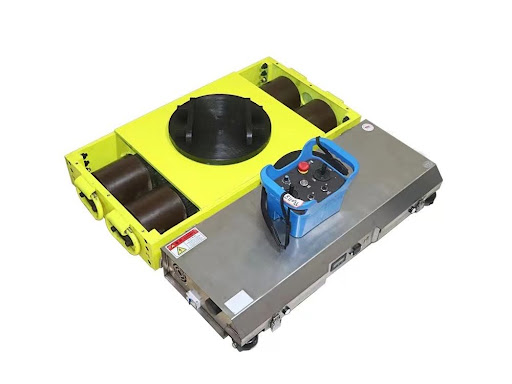
A battery-powered machine skate is a flat platform on strong wheels. It uses a battery to move loads that weigh tons. You control it with a simple remote from a safe distance. No cords or fuel needed.
These skates work well on flat floors in factories, machine shops, data centers, and shipyards. They slide under machines or equipment and lift them just enough to roll. Common sizes handle 10 tons, 20 tons, up to 100 tons or more. The wheels turn in all directions, so you can spin the load in place or move it sideways in tight spots.
Unlike old roller skates that need many people pushing, this one lets one person do the whole job. It runs quietly and clean with zero smoke. Most models come as a set of two or four skates plus the remote and battery pack.
Why Pick Battery-Powered Machine Skates?
Battery models beat manual rollers and gas-powered tools in many ways. First, they need no team of workers. One operator handles everything from the remote. This cuts labor costs fast.
Second, they create no fumes, so you can use them indoors without extra fans or vents. Third, they run on a rechargeable battery, which means lower running costs over time. You charge it like a phone, and it lasts for hours of work.
Compared to forklifts or overhead cranes, these skates need less space and no special tracks. They also cost less to own and keep. Many users say they finish jobs four times faster than old methods. If your work involves moving molds, generators, transformers, or big servers, this tool pays for itself quickly.
Main Features You Should Look At
When you shop, focus on a few key parts. Load capacity comes first. Make sure the set can handle more than your heaviest item. Add 20 percent extra for safety.
Next, check the battery. Most use 48-volt lithium packs. Look for at least 60 amp-hours so you get three to five hours of full-load work. Some models let you swap batteries in minutes for nonstop use.
Wheel type matters too. Rubber or polyurethane wheels grip well and protect floors. Steering options include 360-degree spin or skid steering for narrow aisles. Remote range should reach at least 30 feet so you stay clear of the load.
Speed control is another plus. Good models move from slow creep to about 4 miles per hour. Finally, pick sets with emergency stop buttons and overload protection. These small extras keep everyone safe.
Picking the Right Load Capacity
Start by weighing your heaviest machine. Write down the number, then choose skates rated higher. For example, a 15-ton press needs at least a 20-ton set. If you move different sizes, buy a set that covers your biggest job.
Think about how many skates you need. Two-skate sets work for long items like beams. Four-skate sets give better balance for wide machines. Always spread the weight evenly. Check the floor too. These skates need flat concrete with gaps smaller than 5 millimeters. If your floor has cracks, fix them first.
Battery Life and Charging Details
Battery life decides how much work you finish in one day. A full 48-volt pack usually runs three to five hours at full load. Lighter jobs stretch that to eight hours. The display shows remaining power so you never get stuck.
Charging takes four to six hours from empty. Many kits include a smart charger that stops when full. For busy shops, buy an extra battery pack. Swap it out and keep going all day. Lithium batteries last years with proper care. Store them at room temperature and charge after each use. No memory issues like old battery types.
Staying Safe When You Use Them
Safety starts with training. Read the manual and practice on light loads first. Always check the remote works before you lift anything. Keep people away from the moving path.
Use the emergency stop if something looks wrong. Spread weight evenly and tie down tall loads so they do not tip. Wear steel-toe shoes and gloves. Never exceed the rated capacity. Good models have sensors that cut power if the load shifts too much.
Check the floor for oil or water before you start. Wet spots can cause slips. Plan your route ahead to avoid tight corners or slopes over 5 percent. These simple steps prevent most accidents.
How to Set Up and Use One
Setup takes minutes. Place the skates under the machine using jacks or your shop crane. Connect the skates with bars if needed for wide loads. Turn on the battery pack and pair the remote.
Drive slowly at first to test balance. Use the remote to steer and stop. Move in short bursts until you get the feel. To turn in place, use the skid-steer function. Lower the machine when you reach the new spot. Store the skates on a dry shelf after use.
Many new users learn the basics in one afternoon. Watch short online videos for your model to see real moves.
How Much Do They Cost?
Prices start around a few thousand dollars for a basic 10-ton set. Mid-range 20- to 50-ton models run from 10,000 to 25,000 dollars. Heavy 100-ton sets can reach 30,000 dollars or more.
What affects price? Battery size, wheel quality, and extra features like auto-brakes. German and American brands often cost more but last longer. Chinese models give strong value for the money. Add shipping and any extra batteries to your total. Many sellers offer payment plans or bundles with chargers and spares.
Best Places to Buy One
You can shop online or through industrial suppliers. Look for clear specs, warranty details, and customer reviews. Real users talk about real jobs, which helps a lot.
If you want a solid battery-powered machine skate, check out the options at https://cargotrolley.com/. They list many sizes with full details on batteries and controls.
Another good place is cargotrolley.com for more choices and fast shipping.
Compare at least three sellers before you decide. Ask about return policies and spare parts.
Final Tips Before You Buy
Make a short list of your needs: weight, space, and daily use time. Measure your floor gaps and door widths. Set a budget and stick close to it. Buy from sellers who answer questions fast.
Test the remote feel in person if you can. Start small if this is your first set. Most people upgrade later once they see the time savings. Keep the manual and keep batteries charged.
A good battery-powered machine skate changes how you move heavy loads. It saves time, cuts injuries, and makes tough jobs simple. Use this guide to pick one that fits your shop today. You will wonder how you worked without it.