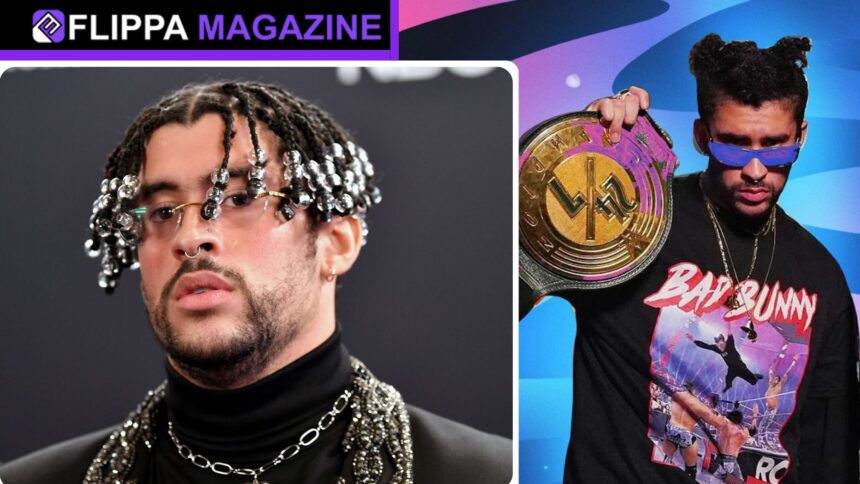
When Bad Bunny first emerged on the music scene, he didn’t just deliver catchy beats—he transformed the very essence of reggaeton. Reggaeton had been a dominant genre in Latin America for decades, but it often followed familiar patterns: danceable rhythms, party themes, and repetitive hooks. Bad Bunny brought innovation, cultural depth, and a fresh perspective that reshaped the genre, particularly in the U.S. His music connects traditional Puerto Rican roots with global sounds, while his style and message challenge stereotypes and invite a broader audience into the world of reggaeton.
Quick Bio Table
| Data Point | Detail |
|---|---|
| Real Name | Benito Antonio Martínez Ocasio |
| Birthdate & Place | March 10, 1994, Bayamón, Puerto Rico |
| Years Active | 2013–present |
| Genre Affiliation | Reggaeton, Latin trap, Latin pop |
| Breakout Track | “Soy Peor” (2016) |
| Landmark Album | YHLQMDLG (2020) – highest-charting all-Spanish album at the time |
| Social Impact | Advocate for women’s rights and LGBTQ inclusion in reggaeton culture |
| Cultural Roots | Strong connection to Puerto Rican music traditions like salsa and bomba |
| Global Recognition | Helped bring Spanish-language urban music into mainstream U.S. charts |
| Brand Collaborations | Extended influence into fashion and cultural ambassadorship |
| Creative Approach | Mixes trap, pop, dembow, reggaeton, and Puerto Rican folkloric rhythms |
.
1. Reggaeton’s Origins and Pre-Bad Bunny Landscape
Reggaeton emerged in the 1990s, blending reggae from Jamaica, hip-hop, and Latin rhythms. By the early 2010s, it had achieved mainstream popularity, with heavy reliance on dembow beats, catchy hooks, and party-centric lyrics. While these tracks dominated clubs and charts, reggaeton often lacked variety in narrative and experimentation. Bad Bunny entered this landscape and began expanding the genre’s boundaries, introducing storytelling, deeper themes, and innovative sounds.
2. Shifting the Soundscape
Bad Bunny’s music revolutionized reggaeton’s sonic identity through rhythm, vocals, and genre fusion. First, he introduced alternative reggaeton and Latin trap, incorporating pop, rock, and Puerto Rican folkloric rhythms. Second, his vocal style is conversational and intimate, contrasting with the high-energy party vocals typical of the genre. Third, his production techniques integrate unconventional elements, such as jazz-infused bridges or ambient electronic textures, creating layered, innovative tracks that appeal to both longtime fans and new listeners.
3. Cultural Authenticity
Bad Bunny’s deep connection to Puerto Rico informs his music and message. He infuses tracks with local slang, musical traditions, and cultural references, giving his work authenticity. This approach resonates with diaspora audiences in the U.S. and beyond, offering not just entertainment but a cultural experience. His songs often reflect personal stories, social struggles, and local identity, grounding reggaeton in real-world experiences rather than mere commercial formulas.
4. Promoting Inclusivity and Social Awareness
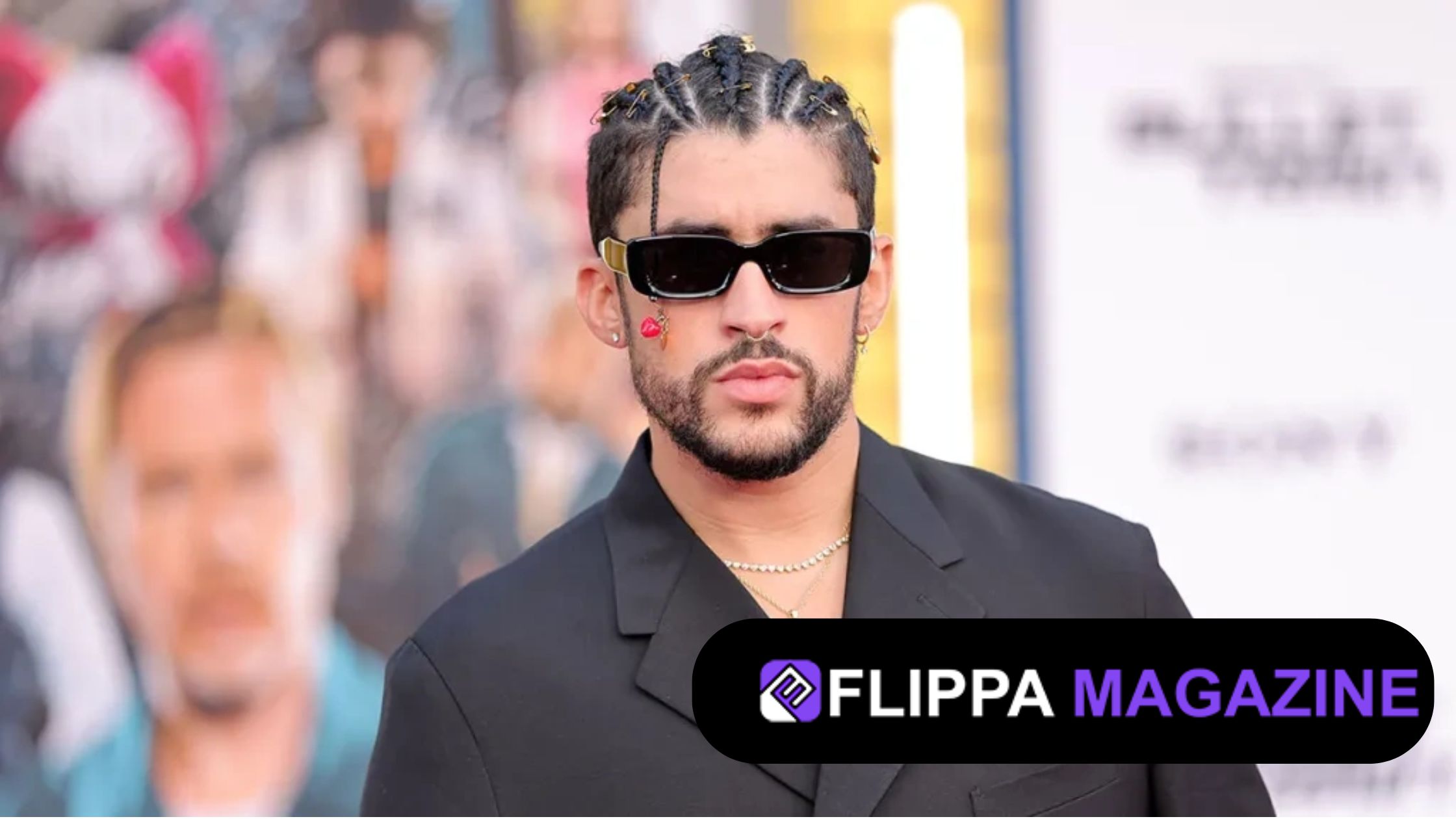
Historically, reggaeton has been criticized for promoting misogyny and reinforcing gender stereotypes. Bad Bunny has challenged these norms through his music and visuals. In tracks like “Yo Perreo Sola,” he promotes respect for women and inclusivity. He also embraces gender-fluid fashion and challenges traditional masculinity, inspiring a shift in how reggaeton artists and audiences approach gender roles. This socially conscious approach has broadened the genre’s appeal, especially among younger and more progressive audiences.
5. Global Mainstream Penetration
Bad Bunny played a pivotal role in introducing reggaeton to U.S. audiences without altering its linguistic or cultural identity. He achieved historic milestones with Spanish-language albums topping U.S. charts, demonstrating that the genre could compete on a global scale. His success shows that authenticity, combined with innovative production, can break language barriers and expand the reach of Latin music internationally.
6. Visual and Fashion Innovation
Bad Bunny redefined reggaeton aesthetics through fashion and visuals. His bold choices—bright colors, floral patterns, and gender-fluid clothing—challenge conventional stereotypes and promote self-expression. Music videos and live performances reflect this aesthetic innovation, presenting reggaeton as a multidimensional art form. This approach has attracted diverse audiences and redefined the genre’s public image, making it more inclusive and culturally dynamic.
7. Strategic Collaborations
Collaborations have been a cornerstone of Bad Bunny’s impact. He partners with artists from various genres, from reggaeton veterans to pop, trap, and electronic musicians. These collaborations introduce new musical elements to reggaeton while honoring its roots. The result is a genre that maintains its core identity yet evolves through experimentation, broadening its appeal and influence.
8. Fan Engagement and Marketing
Bad Bunny’s approach to fan engagement reimagines how reggaeton interacts with audiences. He turns album releases into interactive experiences, using social media campaigns, unique promotional methods, and immersive visuals. Fans feel directly involved in his music, enhancing loyalty and engagement. This strategy has not only amplified his brand but also demonstrated that reggaeton can thrive as both cultural expression and global business.
9. Educational and Cultural Influence
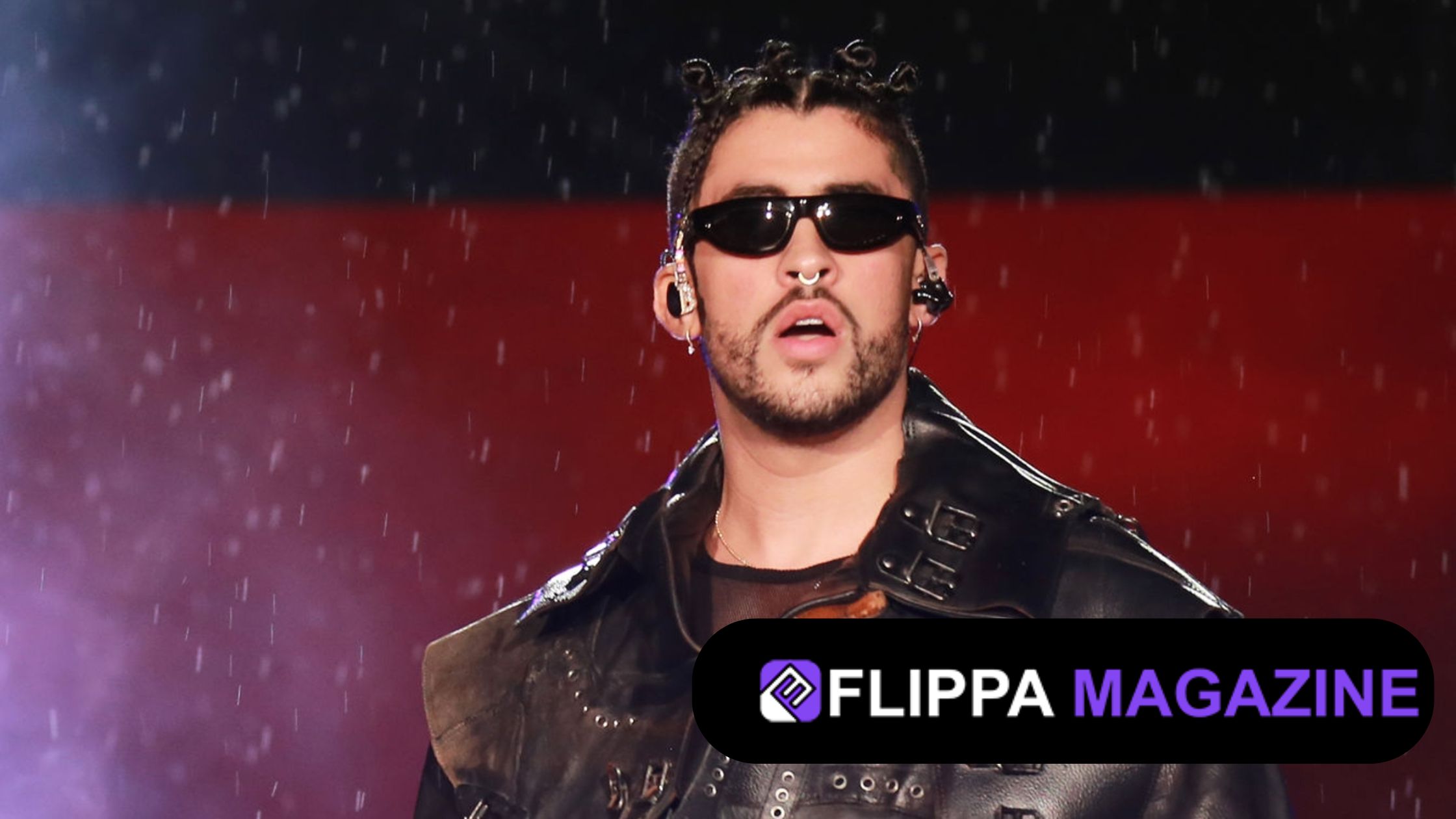
Through his music and public persona, Bad Bunny educates audiences about Puerto Rican culture, social issues, and reggaeton’s rich history. His work encourages listeners to see reggaeton as a culturally significant genre, rather than purely dance music. This perspective has increased understanding and appreciation among U.S. audiences, promoting cultural exchange and musical literacy on a global scale.
10. Challenges and Criticisms
Despite his successes, Bad Bunny faces criticisms. Some argue that while he promotes inclusivity, he still operates within an industry with persistent issues like gender inequality and commercialization. Others debate whether his social messages translate into systemic change. Nonetheless, these discussions highlight the transformative potential of reggaeton and reinforce the importance of progressive leadership in shaping its future.
11. Legacy and Influence on U.S. Audiences
Bad Bunny’s work has reshaped reggaeton for U.S. listeners and artists alike. His model demonstrates that cultural authenticity, innovation, and inclusivity are powerful tools for expanding genre influence. New artists are inspired to embrace linguistic, musical, and cultural diversity while maintaining commercial viability. For audiences, his music offers both entertainment and insight, bridging cultural gaps and enhancing the genre’s depth.
12. The Role of Storytelling in Bad Bunny’s Music
One of the most distinctive elements of Bad Bunny’s reggaeton is his use of storytelling. Unlike many traditional tracks that focus primarily on parties or romantic encounters, his songs often convey personal experiences, social commentary, and emotional nuance. Through narrative, he brings listeners into his world—from growing up in Puerto Rico to navigating fame and identity. This storytelling approach not only enriches the musical experience but also creates a deeper connection with fans, who feel they are part of his journey. By integrating authentic narratives, Bad Bunny has elevated reggaeton from mere entertainment to a platform for expression and reflection.
13. Influence on Emerging Artists and the Next Generation
Bad Bunny’s innovation has inspired a new generation of reggaeton and Latin urban artists. Emerging musicians are now more willing to experiment with genre-blending, unconventional lyrics, and socially conscious themes, seeing that success does not require abandoning authenticity. His approach shows that reggaeton can evolve without losing its core identity, encouraging artists to innovate while remaining true to cultural roots. For U.S.-based artists, this demonstrates that Spanish-language music can resonate widely without conforming to English-language expectations, opening doors for more diverse and creative collaborations across the music industry.
14. Integration of Technology and Digital Platforms
Another significant aspect of Bad Bunny’s impact is his use of technology and digital platforms to reach audiences. He leverages streaming services, social media, and virtual concerts to create immersive experiences, often integrating interactive elements like surprise album drops, social campaigns, and fan challenges. This digital-savvy approach has not only amplified his reach but also modernized reggaeton marketing strategies, setting a precedent for artists worldwide. Fans no longer simply consume music—they participate in it, helping to transform reggaeton into a dynamic, interactive cultural phenomenon with global resonance.
Conclusion
Bad Bunny has not only revolutionized reggaeton; he has redefined its role in modern music and culture. Through sonic innovation, cultural authenticity, social consciousness, and global outreach, he has elevated the genre to new heights. For U.S. audiences, reggaeton has evolved into a rich, multifaceted experience, and Bad Bunny remains central to this transformation. His journey exemplifies the power of music to innovate, inspire, and cross cultural boundaries while staying true to its roots.
Frequently Asked Questions (FAQs)
Q1: Who is Bad Bunny?
A1: Bad Bunny is a Puerto Rican singer and rapper whose music blends reggaeton, Latin trap, and pop. He is known for innovating reggaeton and bringing Spanish-language urban music to U.S. and global audiences.
Q2: How has Bad Bunny changed reggaeton?
A2: He has expanded the genre by blending multiple musical styles, introducing deeper lyrics, promoting inclusivity, and engaging audiences globally, elevating reggaeton beyond dance music.
Q3: Does he still produce traditional reggaeton?
A3: Yes. Many tracks retain classic dembow beats and perreo rhythms, but with creative fusions that keep the sound fresh and dynamic.
Q4: How has he influenced U.S. listeners?
A4: His albums topping U.S. charts and culturally resonant themes have increased appreciation for Spanish-language music and inspired more diverse audiences to engage with reggaeton.
Q5: What social issues does Bad Bunny address?
A5: He promotes gender equality, LGBTQ visibility, and cultural pride, challenging stereotypes and advocating respect within the reggaeton community.
Q6: Are there criticisms of his approach?
A6: Some critics argue that, despite progressive messages, reggaeton still faces structural challenges, and his social impact may be more symbolic than systemic.
Q7: What is the future of reggaeton in the U.S.?
A7: The genre is expected to continue growing with innovative sounds, inclusive messaging, and stronger global presence, following the path laid by Bad Bunny.
FOR MORE : FLIPPAMAGAZINE