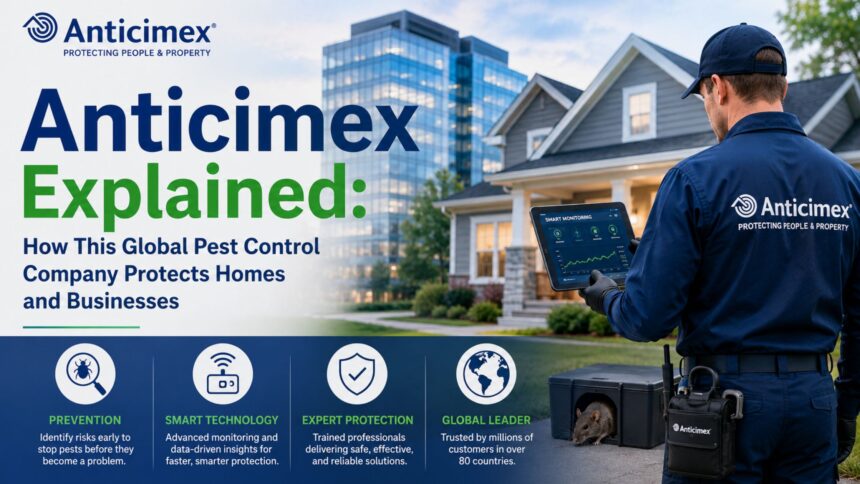
Pests can cause far more than minor inconvenience. From contaminating food and damaging property to creating health concerns and disrupting daily life, infestations often become expensive problems when left untreated. Whether it’s rodents in a warehouse, termites weakening a home’s structure, or insects invading commercial facilities, effective pest management has become an essential part of property maintenance. That’s where Anticimex has earned recognition as one of the world’s leading pest control providers.
Unlike traditional pest control companies that primarily focus on treating existing infestations, Anticimex emphasizes prevention, innovation, and long-term protection. The company combines professional expertise with modern technology, including smart monitoring systems, digital reporting, and environmentally responsible treatment methods. This proactive approach helps identify potential pest issues before they become serious, reducing risks for homeowners, businesses, and public facilities alike.
Operating across numerous countries, Anticimex serves residential customers, commercial properties, healthcare facilities, restaurants, manufacturing plants, offices, schools, and other industries that require dependable pest management solutions. Its services are designed to meet local regulations while adapting to the unique environmental conditions and pest challenges found in different regions. By integrating technology with experienced technicians, the company aims to deliver safer, more efficient, and more sustainable pest prevention.
This guide explains what Anticimex is, how its services work, the industries it serves, the technology behind its solutions, and why many property owners consider preventive pest management a valuable long-term investment.
What Is Anticimex?
Anticimex is an international pest control and hygiene services company specializing in preventive pest management. Founded in Sweden, the company has expanded into numerous markets across Europe, North America, Asia-Pacific, Latin America, and other regions, building a reputation for combining scientific pest control practices with innovative digital technology.
Rather than relying solely on chemical treatments after pests have already invaded a property, Anticimex focuses on identifying risks early. Its specialists inspect buildings, locate entry points, monitor pest activity, and recommend preventive measures that reduce the likelihood of future infestations.
This preventive philosophy benefits both homeowners and businesses. Addressing vulnerabilities before infestations develop often lowers repair costs, protects property value, improves sanitation, and minimizes operational disruptions. Businesses also benefit from maintaining compliance with industry regulations and protecting their reputations from pest-related incidents.
Another distinguishing feature is the company’s investment in research and innovation. By continuously improving monitoring systems and treatment strategies, Anticimex adapts to changing pest behaviors, environmental regulations, and customer expectations. This commitment to modernization has helped establish the company as a trusted provider of professional pest management services worldwide.
Why Modern Pest Control Requires More Than Traditional Treatments
Traditional pest control often follows a reactive model. Property owners notice pests, contact a service provider, receive treatment, and wait to see whether the infestation returns. While this method can eliminate immediate problems, it may not address the underlying causes that allowed pests to enter the property in the first place.
Modern pest management takes a different approach. Prevention begins with understanding pest behavior, identifying environmental conditions that attract unwanted insects or rodents, and correcting those conditions before infestations occur.
Anticimex follows this preventive strategy by combining inspections, monitoring, data analysis, exclusion techniques, sanitation recommendations, and targeted treatments. Instead of repeatedly responding to recurring infestations, technicians work to reduce the factors that create pest-friendly environments.
This shift from reaction to prevention offers several advantages:
- Earlier detection of pest activity
- Reduced property damage
- Lower long-term treatment costs
- Improved food safety and sanitation
- Less disruption to homes and businesses
- More environmentally responsible pest management
As technology continues to improve, preventive pest control is becoming the preferred solution for organizations seeking reliable, year-round protection.
Core Pest Control Services Offered by Anticimex
Anticimex provides a broad range of pest management services designed to address common residential and commercial pest problems. While available services may vary depending on local regulations and geographic location, most programs include comprehensive inspection, monitoring, treatment, and prevention.
Rodent Control
Rodents remain one of the most destructive pests for both homes and businesses. Mice and rats contaminate food supplies, damage insulation, chew electrical wiring, and spread bacteria through droppings and urine.
Anticimex uses integrated rodent management strategies that may include:
- Property inspections
- Entry point identification
- Smart monitoring systems
- Trapping solutions
- Exclusion recommendations
- Long-term monitoring programs
Rather than focusing exclusively on removing rodents, technicians work to prevent future infestations by identifying how pests enter buildings and eliminating access points whenever possible.
Insect Management
Different regions experience different insect challenges, requiring customized treatment plans. Anticimex commonly manages pests such as:
- Ants
- Cockroaches
- Bed bugs
- Wasps
- Flies
- Mosquitoes
- Stored product insects
- Spiders
- Fleas
Each pest species behaves differently, making accurate identification essential before selecting an appropriate treatment strategy. Professional inspections help determine infestation severity while minimizing unnecessary pesticide use.
Termite Protection
Termites cause billions of dollars in structural damage worldwide each year. Because they often remain hidden inside walls, foundations, or wooden structures, infestations can continue unnoticed for extended periods.
Anticimex offers termite inspection and treatment services designed to detect activity early and help protect structural integrity. Preventive monitoring plays an important role because early intervention typically reduces repair costs and minimizes long-term damage.
Smart Technology and Digital Pest Monitoring
One of the features that distinguishes Anticimex from many traditional pest control providers is its investment in smart technology. Digital monitoring systems allow pest activity to be detected earlier than manual inspections alone, improving response times while reducing unnecessary site visits.
Instead of waiting for visible signs of infestation, smart sensors continuously monitor designated locations for rodent activity or other pest indicators. When activity is detected, alerts are sent to technicians, allowing them to investigate and respond promptly.
This technology offers several important benefits:
- Faster pest detection
- Continuous monitoring
- Data-driven decision making
- Reduced environmental impact
- Improved operational efficiency
- Better documentation for commercial customers
Businesses that operate under strict food safety regulations particularly benefit from automated monitoring because digital records support compliance, inspections, and quality assurance programs.
The use of real-time monitoring also allows pest management professionals to identify trends over time. For example, recurring activity in specific areas may indicate structural vulnerabilities, sanitation issues, or seasonal pest migration patterns that require additional preventive measures.
Rather than relying solely on routine service intervals, technicians can prioritize locations where monitoring data indicates actual pest activity, creating a more efficient and targeted pest management program.