Walk into any health-focused café in London or Manchester, and you’ll likely spot the same vibrant purple bowls dotting tables—acai bowls topped with fresh fruit, granola, and a drizzle of honey. But beneath those Instagram-worthy toppings lies an increasingly popular foundation: the coconut acai base. This creamy, nutrient-dense blend has become the go-to choice for smoothie bowl enthusiasts seeking both flavor and nutrition.
Coconut acai bases combine the rich, berry-forward punch of acai with the subtle sweetness and healthy fats of coconut, creating a satisfying meal that delivers sustained energy without the sugar crash. As more people seek convenient, nutritious options that fit into busy lifestyles, this tropical pairing has moved from niche health food stores to mainstream menus.
Understanding the Coconut Acai Base
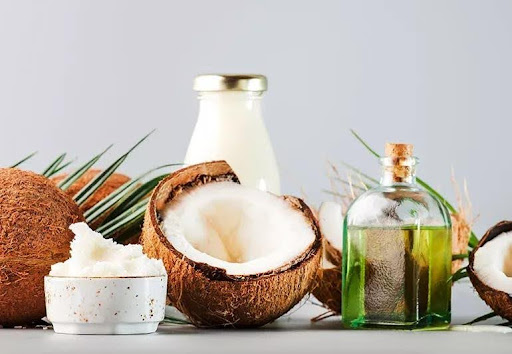
At its core, a coconut acai base blends two nutritional powerhouses into one smooth foundation. The coconut component—typically coconut milk, coconut cream, or coconut yogurt—provides a creamy texture and natural sweetness that balances the tartness of acai berries. The result is a thick, spoonable consistency that holds toppings well and delivers a more satisfying mouthfeel than juice-based alternatives.
Harvard’s School of Public Health notes that coconut contains medium-chain triglycerides (MCTs), a type of fat that the body metabolizes differently than other saturated fats. These MCTs can provide quick energy and may support metabolic health when consumed as part of a balanced diet.
The acai berry component adds its own nutritional credentials. Native to the Amazon rainforest, these small purple berries have been a dietary staple in Brazil for centuries. When frozen and blended, they create a thick, sorbet-like consistency that forms the backbone of the modern acai bowl.
The Nutritional Case for Acai Berries
Acai berries have earned their superfood reputation through a genuinely impressive nutritional profile. These berries contain anthocyanins—the same antioxidant compounds that give blueberries and red wine their health benefits—but in significantly higher concentrations.
The health benefits extend across multiple systems:
- Antioxidant Protection: Helps neutralize free radicals that contribute to cellular aging and chronic disease.
- Cardiovascular Support: May improve cholesterol profiles by reducing LDL oxidation.
- Cognitive Function: Research suggests acai polyphenols protect brain cells and support memory.
- Digestive Health:Provides fiber to support digestion and maintain stable blood sugar levels.
- Skin Health:High vitamin C content and antioxidants support collagen production and protection against UV damage.
It’s worth noting that while acai berries offer genuine nutritional benefits, they’re not a miracle cure. The real value comes from incorporating them into an overall balanced diet rich in varied fruits, vegetables, and whole foods.
Why Coconut Makes the Ideal Base
The choice of base matters more than many people realize. While some acai bowls use fruit juice or almond milk, coconut-based versions offer distinct advantages that go beyond flavor.
The nutritional benefits include:
- Sustained Energy: Healthy fats slow digestion, keeping you full longer.
- Nutrient Absorption: Fat-soluble vitamins in fruit—including vitamins A, D, E, and K— are better absorbed with coconut fats.
- Blood Sugar Stability: Unlike juice-based bowls that can spike blood sugar, the fat content in coconut helps moderate glucose response.
- Mineral Content: Provides potassium, magnesium, and iron to complement acai.
The creamy texture also makes coconut bases more versatile. They hold up well to freezing and thawing, making meal prep easier for weekly planning. Their neutral flavor profile provides a perfect canvas that pairs well with both sweet toppings like berries and honey, and savory additions like nuts and seeds, offering flexibility for different taste preferences throughout the week.sweet and savory toppings.
Building a Balanced Coconut Base Smoothie Bowl
Creating a nutritionally complete smoothie bowl requires more than just blending frozen fruit with coconut milk. The best bowls balance macronutrients—carbohydrates, protein, and fat—to create a satisfying meal that provides sustained energy.
Start with these foundational elements:
- Quality Coconut Base: Full-fat coconut milk provides the richest texture and most nutritional benefits. Look for brands with minimal additives—ideally just coconut and water.
- Frozen Acai: Pre-blended options, such as ready-to-use coconut acai bases, offer a convenient way to build smoothie bowls without relying on added sugars.
- Protein Source: Add Greek yogurt, protein powder, or nut butter to increase satiety. Aim for 15-20 grams of protein per bowl.
- Fiber-Rich Additions: Chia seeds, ground flaxseed, or hemp hearts boost fiber content and add omega-3 fatty acids.
- Natural Sweeteners: If needed, use minimal amounts of honey, maple syrup, or dates rather than refined sugars.
- Texture Contrast: Top with granola, nuts, or coconut flakes for crunch.
The key is achieving a thick, spoonable consistency—thicker than a smoothie but not quite as solid as ice cream. This typically requires using less liquid than you’d expect and blending frozen ingredients thoroughly.
Fitting Coconut Acai Bowls Into Modern Lifestyles
Coconut acai bowls solve practical problems for busy people. The lifestyle benefits are considerable:
- Time Efficiency: A well-made bowl can come together in just 5–10 minutes—often quicker than cooking eggs or waiting in a café line. For those who want a clearer breakdown of the preparation steps, this smoothie bowl preparation guide outlines the process in a simple, practical way.
- Meal Prep Friendly: Portion ingredients into freezer bags on Sunday, and you have grab-and-blend breakfasts ready for the week.
- Customization: Unlike restaurant meals, you control every ingredient, making it easy to accommodate dietary restrictions or preferences.
- Portable Nutrition: Transfer to a container with a tight lid, and you have a meal that travels well to the office or gym.
- Visual Appeal: The vibrant colors and artful toppings make healthy eating feel less like deprivation and more like a treat.
For families, coconut acai bowls offer a rare win: a breakfast that appeals to both health-conscious adults and picky children. The mild sweetness and smooth texture make it approachable for young eaters, while the nutritional profile satisfies parents’ concerns about starting the day right.
Brands offering pre-portioned coconut acai bowl bases for meal prep include AcaiExotic, Sambazon, and options at Whole Foods. Comparing base thickness and sweetness levels across brands—some are ready-to-blend while others require additional liquid—helps match a product to your preferred texture and preparation speed.
Making the Most of Your Coconut Acai Base
The coconut acai base is a practical, nutritious option that delivers antioxidants, healthy fats, and sustained energy. Consistency is key: regular use supports energy, digestion, and balanced eating. Combining coconut’s fats with acai’s antioxidants creates a foundation for immediate satisfaction and long-term wellness.
Whether blending at home or ordering from a café, prioritize whole ingredients over added sugars and artificial flavors. This ensures natural flavors shine, enhanced by thoughtful, nutrient-rich toppings.
For those seeking a convenient, high-quality coconut acai base, explore available options that maintain nutritional integrity without unnecessary additives.
FOR MORE : FLIPPAMAGAZINE