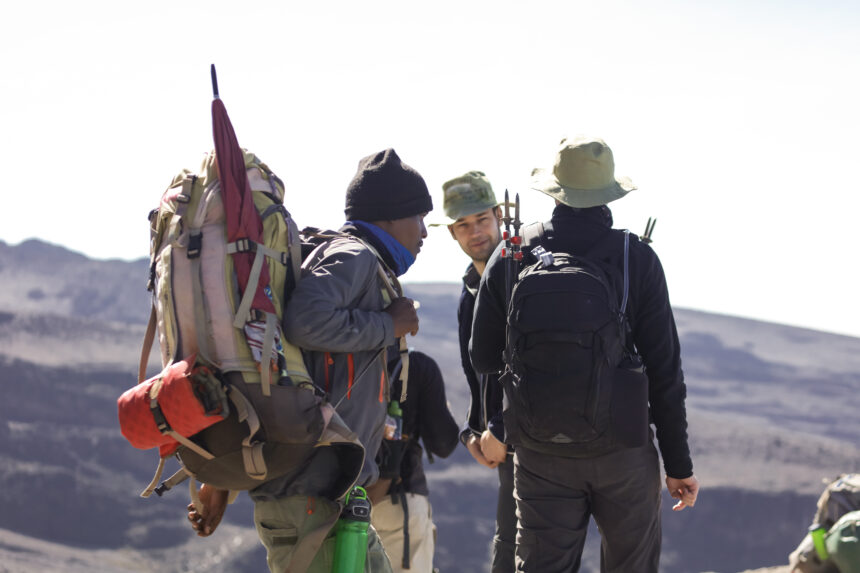
You can train for months, read every guide, and watch every summit video, yet Mount Kilimanjaro Climbing still surprises you. Not because it is the highest mountain in Africa, but because the climb quietly reestablishes how you understand endurance, how you manage routine, and how you see the outdoors.
This blog is meant to give you the real value behind the climb. You will see how altitude rewrites your limits, how the mountain disrupts daily habits, and how the journey shifts the way you approach outdoor travel long after you return home.
If you are planning on Climbing Mount Kilimanjaro, knowing these more profound changes can prepare you better than any packing checklist or gear recommendation.
The Inner Call of Mount Kilimanjaro

People often say they felt the mountain calling them long before they booked the flight. It is rarely a loud call. It is usually a quiet pull that grows over time. Something about Kilimanjaro in Tanzania attracts those who want to test themselves against something natural, honest, and bigger than their usual boundaries.
Before the climb begins, you feel both excitement and doubt. You imagine standing at the top but also wonder if you will manage the altitude, the pace, and the discomfort. This emotional conflict is common, and it becomes the first lesson the mountain teaches.
This mountain has a strange way of confronting you with yourself.
How the Climb Rewires Your Endurance
Altitude changes your body faster than you expect. During your Kilimanjaro Climb, endurance stops being about strength and becomes about patience, pace, and oxygen management. Even experienced athletes learn quickly that climbing at altitude is a different world.
You move through four major zones that each challenge your endurance differently:
Rainforest Zone
Warm, humid, and deceptively easy. Many climbers push fast here and pay for it later. Guides often slow you down because endurance starts early, not at the summit.
Moorland Zone
The air becomes thinner as you gain height. Simple uphill steps require intentional breathing. This is where you first feel the reality of Kilimanjaro’s Height.
Alpine Desert Zone
The sun is sharp, the air is dry, and the nights are cold. Hydration becomes the foundation of endurance. Digestion slows as altitude increases, which can affect your energy levels.
Summit Zone
Every step feels like an effort. Oxygen drops to nearly half of sea level. Many climbers need to pause after only a few steps. This is where real mental endurance emerges.
There is a moment on the climb when you realise that physical stamina is only one part of the story.
The Mountain’s Impact on Daily Routine

On Mount Kilimanjaro Climbing Tours, your daily routine breaks apart and reforms around the mountain’s rhythm. Sleep becomes shallow because altitude interferes with deep rest. Eating becomes a conscious decision because your appetite naturally drops above four thousand meters. Drinking water becomes a discipline rather than a habit.
Even walking changes. Guides repeat pole pole until it becomes a new form of patience. You amble not because you cannot go faster, but because slow is safer.
Different Mt Kilimanjaro Climbing Routes shape this shift in routine in unique ways:
Lemosho Route Kilimanjaro
Longer, scenic, and generous with acclimatization. Good for learning patience.
Machame Route Kilimanjaro
Steeper days that test your physical pattern early.
Rongai Route
Colder nights and quieter trails that allow focus.
Kilimanjaro Northern Circuit
The longest route with outstanding acclimatization and a slow unfolding of routine.
Nothing humbles your routine like a mountain that refuses to bend to it.
How Nature Resets Your Perspective
As you climb higher, nature strips distractions away. The wind speaks differently at altitude. Silence feels heavy and calming. The landscape changes so quickly that you begin to appreciate every shift in temperature and terrain. The higher you go, the simpler everything becomes. Eat. Drink. Walk. Breathe. Rest. Repeat.
You begin to understand why the Best Time to Climb Kilimanjaro matters so much. Weather patterns influence visibility, trail conditions, and morale. Clear skies in January or September feel like an emotional boost, while misty mornings teach you to find rhythm in uncertainty.
Reaching Uhuru Peak never feels cinematic. It feels personal. Quiet. Almost private. You look out over the glacier fields and realise the fundamental transformation happened long before you touched the summit sign.
The Power of People and Community
No one climbs Kilimanjaro alone. Even those attempting a Solo Kilimanjaro Climb rely sincerely on others. Porters carry loads with astonishing efficiency. Guides measure your breathing, listen to the tone of your voice, and adjust your pace before you even realise something is wrong.
The climb teaches gratitude in a way few outdoor experiences can. These interactions leave an imprint. They change how you approach teamwork, especially in the outdoors.
Lessons in Resilience and Letting Go
Whether you are climbing Mount Kilimanjaro for beginners or attempting a more challenging itinerary, the mountain quietly teaches resilience. It teaches you to accept discomfort. It teaches you to reset expectations. It teaches you that fear and determination often walk side by side.
For those wondering, Can You Climb Kilimanjaro Solo, the answer is yes, but with a guided team. The emotional journey, however, remains individual.
Somewhere between the dusty switchbacks and the cold summit winds, you meet a different version of yourself.
Coming Home with a New Perspective
Once the climb ends, and you get back to your ordinary life, it feels changed. You walk differently. You breathe differently. You approach problems with a clearer sense of pacing.
Even planning makes more sense. You understand why the Kilimanjaro Climb Cost varies by route and why longer itineraries increase success. You know the value of the extra expenses you incur for longer climbing routes, because you have seen how extra acclimatization protects you.
When you look at Mount Kilimanjaro Tour Packages, you see more than itineraries. You see choices that shape future experiences.
Final Thoughts
Mount Kilimanjaro Climbing does more than push your physical limits. It rewires your endurance, breaks and rebuilds your routine, and shifts the way you approach every future adventure. You return home with a quieter mind, a slower pace, and a more profound sense of what your body and mind can handle.