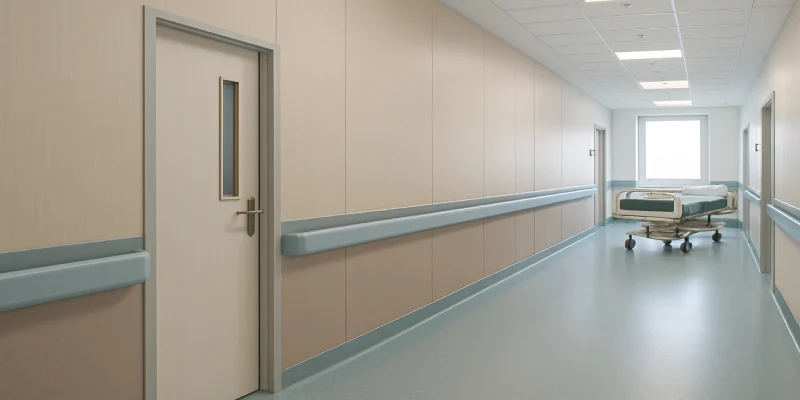
Hospitals show you how powerful the right wall surfaces can be in places where hygiene is a constant priority. In a hospital, every room and hallway has to stay clean, hygienic, and easy to maintain because patients and staff rely on consistent sanitation.
This focus on cleanliness gives us clear lessons we can apply to busy kitchens, care rooms, classrooms, and other high traffic areas. Follow along to see how hospital practice can influence smarter choices for your own walls.
How Hospitals Approach Wall Hygiene
Hospitals treat walls as working surfaces that undergo strict cleaning routines. They rely on materials that stay smooth, resist damage, and cope with regular washing. You can use the same mindset when planning finishes for settings that need strong hygiene control because stable surfaces help you keep dirt and moisture at bay.
This thinking aligns well with sanitised wall cladding solutions, which follow principles seen in healthcare environments, but remain practical for all kinds of commercial spaces. These systems use non-porous PVC sheets that create a continuous finish and this makes daily wipe downs easier while lowering the chance of trapped grime. When you use materials designed to stay consistent under pressure, you reduce long-term cleaning issues and create a healthier environment.
How Hospital Standards Translate Into Your Daily Spaces
Once you look at hospital walls closely, you notice that the design of the whole system has taken hygiene very seriously. Hospitals avoid surfaces with rough edges or deep joins because dirt can gather in tiny gaps. You can follow this idea by choosing sheets and trims that create neat junctions around corners, sinks, and floors. This keeps moisture away from hidden areas and makes routine cleaning tasks much quicker and easier.
You can also see how hospitals control where heavy duty cladding is used. Areas with water, handling, or food preparation use stronger sheets because these rooms face more frequent cleaning and moisture. You can apply the same structure within your site by using tougher sheets in kitchens and washrooms, while keeping the lighter grades for stores and corridors. This strikes a good balance between cost and cleanliness without lowering hygiene levels where it counts.
Why Materials Matter to Cleaning Teams
A hospital surface has to stand up to daily washing, so the materials must remain stable under long-term use. PVC hygienic sheets work well because they resist moisture and stay firm after repeated cleaning cycles. If you manage a space that needs reliable hygiene, you can gain from this consistency because a durable wall surface keeps your cleaning teams efficient.
You can also consider how different cleaning products interact with your walls. A thoughtful selection reduces the risk of swelling or fading so the surface stays smooth and easy to wipe. This helps you maintain a controlled environment without unnecessary repair work.
How Hospital Thinking Improves Design and Maintenance
Hospitals prove that hygienic spaces can still feel calm and well designed. Modern, sanitised PVC sheets come in clean whites and gentle tones that go well with a bright and organised setting. When you plan your own interior, you can choose finishes that will be practical without feeling harsh.
Hospitals also monitor how surfaces respond to daily use. They track areas that face impact, cleaning pressure, and moisture so they can adjust materials when needed. You can follow this method by speaking with your staff and cleaning teams to see where dirt gathers or where surfaces weaken the most. These insights help you refine your choices and invest in wall systems that stay reliable for longer.
Closing Remarks
Hospitals show us that wall surfaces can play a major role in keeping environments safe, clean, and stable. When you bring these lessons into kitchens, classrooms, clinics, and production areas, you raise the standard of hygiene across your entire site.
By choosing thoughtfully-designed, sanitised wall cladding and paying attention to installation details, you create walls that support staff, protect users, and stay dependable through busy daily routines. This approach helps you build spaces that stay practical, easy to maintain, and aligned with long-term hygiene needs.