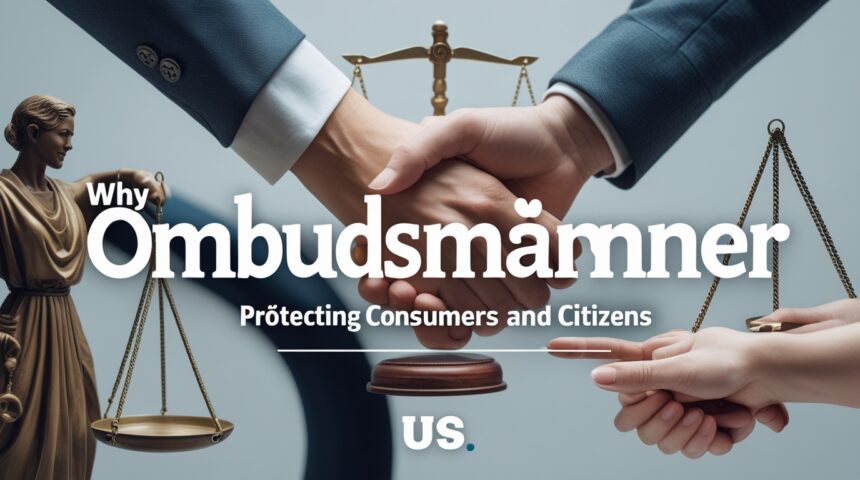
In today’s complex society, disputes between individuals and institutions are almost inevitable. Whether it’s a consumer issue with a company, a concern regarding government services, or conflicts in financial matters, there is often a need for a neutral party to step in. This is where Ombudsmänner come into play. Derived from the Swedish term “ombudsman,” Ombudsmänner serve as independent mediators, advocates, and problem-solvers for citizens and consumers alike. Their role may not be widely known in the U.S., but understanding their significance can empower individuals and strengthen trust in institutions.
Understanding the Role of Ombudsmänner
At its core, an Ombudsmann is an independent official who investigates complaints and mediates disputes between individuals and organizations. They serve as a bridge between citizens and institutions, ensuring that grievances are addressed fairly. Unlike legal proceedings, which can be expensive and time-consuming, Ombudsmänner provide an accessible and impartial path for conflict resolution. Their work covers various sectors, including banking, healthcare, consumer protection, and public services.
The Origins and Evolution of Ombudsmänner
The concept of the Ombudsmann originated in Sweden in the early 19th century, where it was established to protect citizens from administrative abuses. Over time, this concept spread across Europe and other parts of the world. Today, Ombudsmänner operate in numerous countries, adapting their role to modern societal needs. While the U.S. has some similar positions, such as consumer advocates or inspectors general, the formal title and framework of an Ombudsmann remain relatively unique to Europe.
Ombudsmänner and Consumer Protection
One of the most crucial functions of Ombudsmänner is protecting consumers. In sectors like banking, telecommunications, and insurance, disputes often arise due to unclear policies, billing issues, or unfair practices. Ombudsmänner act as intermediaries, reviewing complaints and facilitating fair resolutions. By doing so, they not only help individuals get justice but also promote accountability within organizations. Consumer confidence grows when people know there is an impartial authority they can turn to.
How Ombudsmänner Promote Fairness

Fairness is at the heart of the Ombudsmann system. Unlike advocacy groups or legal representatives, Ombudsmänner remain neutral, ensuring that both parties’ perspectives are considered. They do not take sides but instead evaluate the facts and recommend equitable solutions. This impartial approach helps prevent biased outcomes and fosters trust between citizens and institutions. In many cases, their interventions prevent minor disputes from escalating into costly litigation.
Ombudsmänner in Government Oversight
In the public sector, Ombudsmänner play a critical role in ensuring transparency and accountability. Citizens often encounter bureaucratic hurdles or experience dissatisfaction with government services. Ombudsmänner investigate complaints related to administrative decisions, procedural delays, or policy violations. By offering citizens a reliable channel to voice concerns, they help maintain the integrity of governmental processes. In this way, Ombudsmänner contribute to a more responsive and citizen-focused administration.
Key Qualities of an Effective Ombudsmann
Effective Ombudsmänner combine expertise, integrity, and communication skills. They must have a thorough understanding of the legal, regulatory, or operational frameworks within which they operate. Equally important is their ability to remain impartial while actively listening to both sides of a dispute. Excellent analytical skills and clear reporting capabilities ensure that recommendations are practical and enforceable. Ultimately, an Ombudsmann’s credibility depends on their professionalism and ethical conduct.
How Citizens Can Utilize Ombudsmänner
For individuals seeking assistance, engaging with an Ombudsmann is straightforward but requires understanding the process. Typically, a complaint is submitted in writing, clearly detailing the issue and any prior attempts at resolution. The Ombudsmann then reviews the complaint, communicates with the relevant organization, and recommends a fair solution. While their decisions are often non-binding, most institutions respect and implement their recommendations due to the Ombudsmann’s recognized authority and expertise.
Benefits of Ombudsmänner for Organizations
Organizations also benefit from the involvement of Ombudsmänner. By resolving disputes efficiently, companies can avoid costly litigation, negative publicity, and strained customer relationships. Ombudsmänner provide an external perspective, helping organizations identify systemic issues and improve internal processes. This proactive approach not only enhances operational transparency but also fosters long-term customer trust and loyalty.
The Impact of Ombudsmänner on Society
The presence of Ombudsmänner has a broader societal impact. By ensuring fairness, accountability, and transparency, they reinforce the rule of law and democratic principles. Citizens feel empowered when they know there is an impartial mechanism to address grievances. Over time, Ombudsmänner contribute to a culture of trust and ethical behavior, which strengthens social cohesion and promotes responsible governance.
Challenges Faced by Ombudsmänner
Despite their importance, Ombudsmänner face several challenges. Limited resources, complex cases, and varying levels of cooperation from organizations can hinder their work. Additionally, public awareness about the Ombudsmann role is often low, particularly in countries like the U.S. where similar positions exist under different titles. Overcoming these challenges requires advocacy, education, and continued professional development to ensure Ombudsmänner remain effective and relevant.
Future of Ombudsmänner in the U.S.
As disputes become more complex in an increasingly digital world, the role of Ombudsmänner is poised to grow. Online consumer transactions, fintech innovations, and government digitization create new avenues for potential conflict. By adapting traditional Ombudsmann principles to contemporary challenges, the U.S. could benefit from a more formalized Ombudsmann system. Establishing such roles would strengthen consumer protection, enhance accountability, and build public trust in both private and public institutions.
Ombudsmänner and Digital Consumer Protection
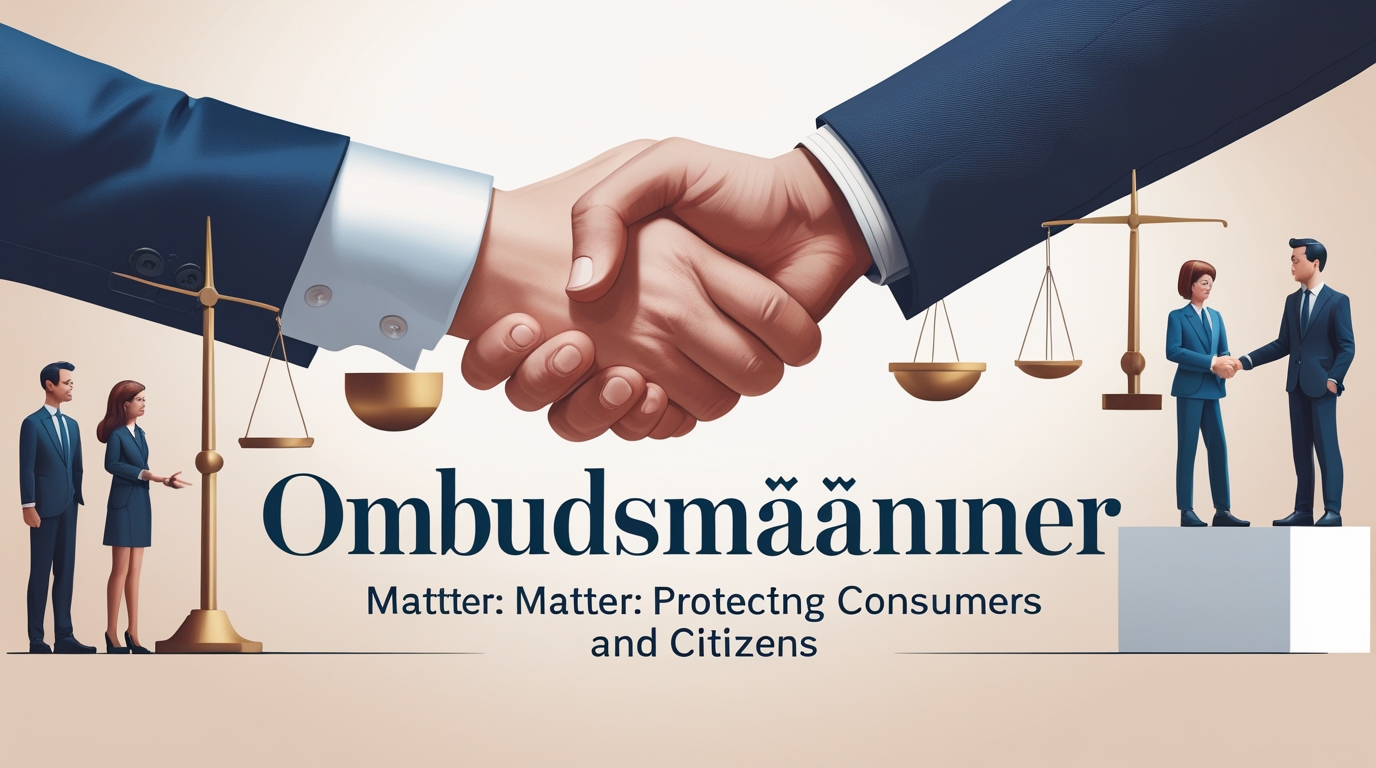
In the digital age, disputes increasingly arise online, from e-commerce transactions to social media complaints. Ombudsmänner are uniquely positioned to address these issues because they provide a neutral, human-centered approach to conflict resolution. Online disputes often involve misunderstandings, miscommunication, or technical errors that can escalate if not handled carefully. By reviewing cases impartially, Ombudsmänner help ensure that consumers are protected and organizations maintain ethical digital practices.
Role in Financial and Banking Sectors
Financial institutions often involve complex regulations and opaque procedures, which can leave consumers vulnerable. Ombudsmänner in banking and finance provide crucial oversight, helping resolve complaints about loans, credit cards, fees, or mismanagement. Their intervention not only protects individual rights but also strengthens trust in the financial system. In an era where financial literacy varies widely, Ombudsmänner act as accessible guides for navigating disputes, ensuring fairness without requiring costly legal action.
Education and Awareness Programs
Another significant contribution of Ombudsmänner is their role in public education. By conducting seminars, publishing guides, and engaging in outreach, they help citizens understand their rights and responsibilities. Awareness initiatives empower individuals to identify unfair practices early and seek appropriate remedies. Education also benefits organizations, as it encourages compliance with ethical standards and reduces the frequency of preventable disputes.
Ombudsmänner and Corporate Responsibility
Increasingly, organizations are using Ombudsmänner as part of their corporate social responsibility (CSR) strategies. By implementing independent mediation processes, companies demonstrate a commitment to fairness, transparency, and accountability. Ombudsmänner serve as a check on internal policies, helping organizations identify gaps and improve customer satisfaction. This proactive approach can enhance brand reputation and foster long-term relationships with consumers.
Cross-Border Disputes and International Implications
In today’s globalized economy, disputes often involve multiple jurisdictions. Ombudsmänner can play a critical role in cross-border conflict resolution, particularly for financial services, online transactions, and multinational corporations. Their ability to provide impartial guidance helps bridge cultural and regulatory differences, ensuring that all parties are treated fairly. By supporting international consumer protection, Ombudsmänner contribute to a more consistent and trustworthy global marketplace.
Technology Integration and Future Trends
The future of Ombudsmänner is closely tied to technology. Artificial intelligence, blockchain, and digital reporting tools are being integrated into dispute resolution processes to enhance efficiency and transparency. While technology can streamline case management, the human judgment and empathy provided by Ombudsmänner remain irreplaceable. Combining traditional mediation skills with modern tools ensures that Ombudsmänner stay relevant, adaptable, and capable of addressing emerging challenges in consumer protection.
Final Thoughts
Ombudsmänner are more than mediators; they are guardians of fairness, advocates for transparency, and protectors of consumer rights. Their work ensures that citizens have access to impartial recourse when disputes arise, reinforcing trust in institutions and promoting ethical practices. While the concept is more established in Europe, the principles behind Ombudsmänner are universally valuable. Understanding and supporting this role can lead to a more just, equitable, and accountable society.
Frequently Asked Questions (FAQs)
1. What exactly is an Ombudsmann?
An Ombudsmann is an independent official who investigates complaints from individuals regarding organizations, companies, or government bodies. Their role is to provide neutral mediation, recommend fair solutions, and promote accountability without being biased toward either party.
2. How can I contact an Ombudsmann in the U.S.?
While the U.S. doesn’t have the formal “Ombudsmann” title in most sectors, similar roles exist, such as consumer protection agencies, financial ombuds services, or inspectors general. Contacting these organizations usually involves submitting a written complaint or completing an online form detailing your concern.
3. Are Ombudsmänner decisions legally binding?
Typically, Ombudsmänner issue recommendations rather than enforceable rulings. However, most organizations comply with these recommendations due to the Ombudsmann’s recognized expertise and authority. Their interventions often prevent legal disputes and foster voluntary compliance.
4. Which industries commonly have Ombudsmänner?
Common sectors include banking, insurance, telecommunications, healthcare, and public administration. Essentially, any industry that involves interactions between institutions and citizens or consumers may benefit from an Ombudsmann to handle disputes fairly.
5. Why is public awareness of Ombudsmänner important?
Awareness ensures citizens know they have access to impartial mediation. Increased visibility also encourages organizations to uphold fair practices proactively. The more people understand the role of Ombudsmänner, the more effective the system becomes in promoting accountability and consumer protection.
FOR MORE : FLIPPAMAGAZINE