Jadeitový Kameň, commonly known as jade, has fascinated collectors, jewelers, and enthusiasts for centuries. Known for its striking green hues, smooth texture, and historical significance, Jadeitový Kameň is not only a beautiful gemstone but also a symbol of luck, prosperity, and protection. However, as the popularity of jade has grown worldwide, so has the market for counterfeit or artificially enhanced stones. For anyone looking to invest in or wear genuine Jadeitový Kameň, knowing how to identify authentic pieces is essential. This guide provides a comprehensive approach to recognizing real jade, understanding its characteristics, and avoiding scams in the marketplace.
Understanding Jadeitový Kameň
Jadeitový Kameň is a specific type of jade known for its vibrant colors and high-quality crystalline structure. Unlike nephrite, which is softer and more common, Jadeitový Kameň is harder, denser, and typically commands a higher value. The gem has been revered across cultures, particularly in China, where it symbolizes purity, immortality, and virtue. Authentic Jadeitový Kameň can range in color from deep emerald green to lavender, white, or even black, each variation carrying unique cultural and aesthetic significance.
The Importance of Authenticity
Buying fake or low-quality jade can be costly—not only financially but also in terms of personal satisfaction. Many buyers unknowingly purchase dyed stones, glass imitations, or even synthetic jade. Counterfeit pieces can look convincing, especially online or in markets where gem expertise is limited. Ensuring authenticity is not just about investment security but also about preserving the traditional and cultural value of Jadeitový Kameň.
Physical Properties to Examine
One of the most reliable ways to identify real Jadeitový Kameň is through physical examination. Authentic jade is heavier than it looks due to its high density. A simple heft test can give a preliminary indication of genuineness. Additionally, real jade has a smooth, almost waxy surface and a natural translucency when held up to light. If the stone feels glassy, overly cold, or unusually light, it may be a fake or treated material.
Color and Texture
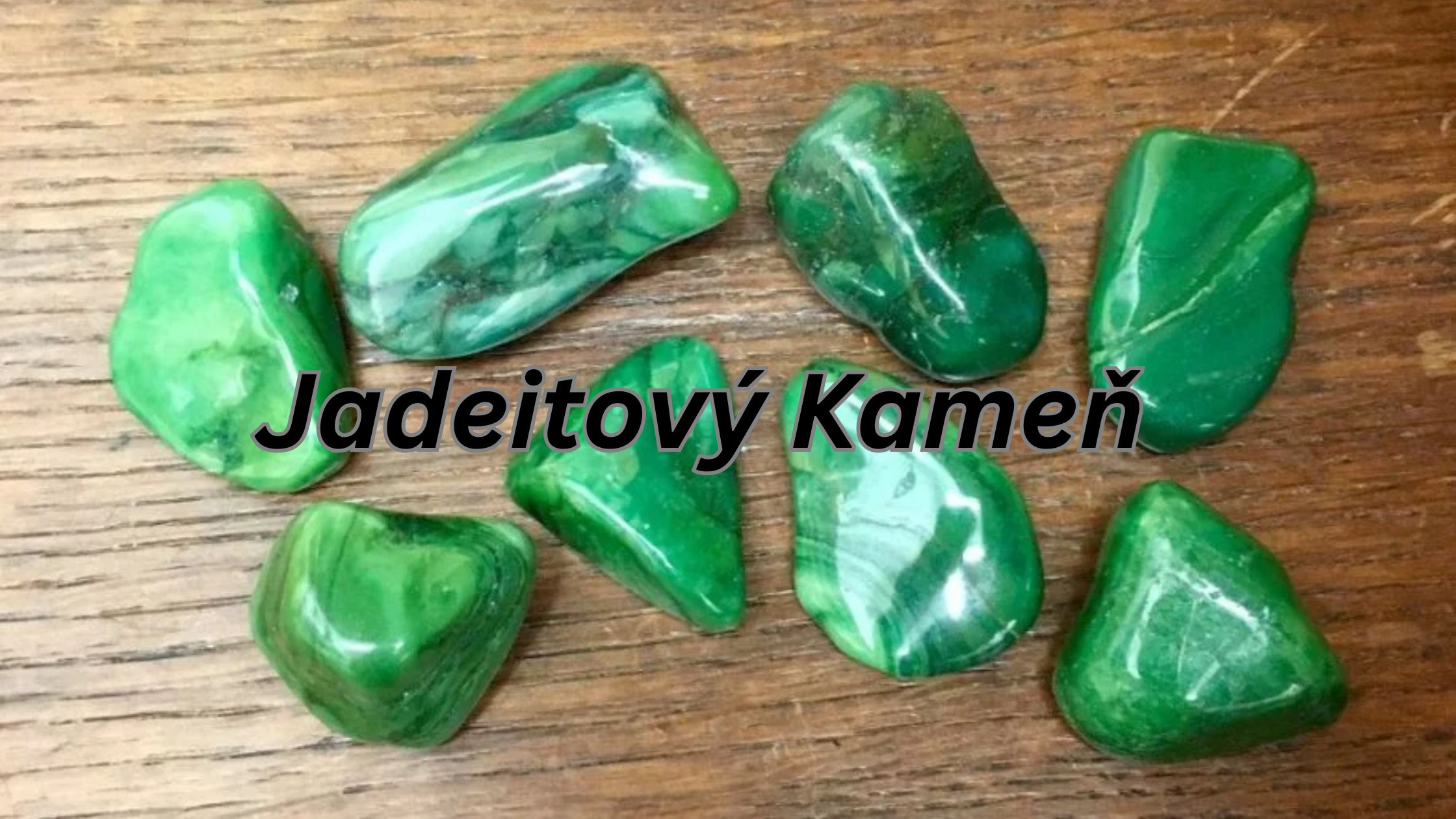
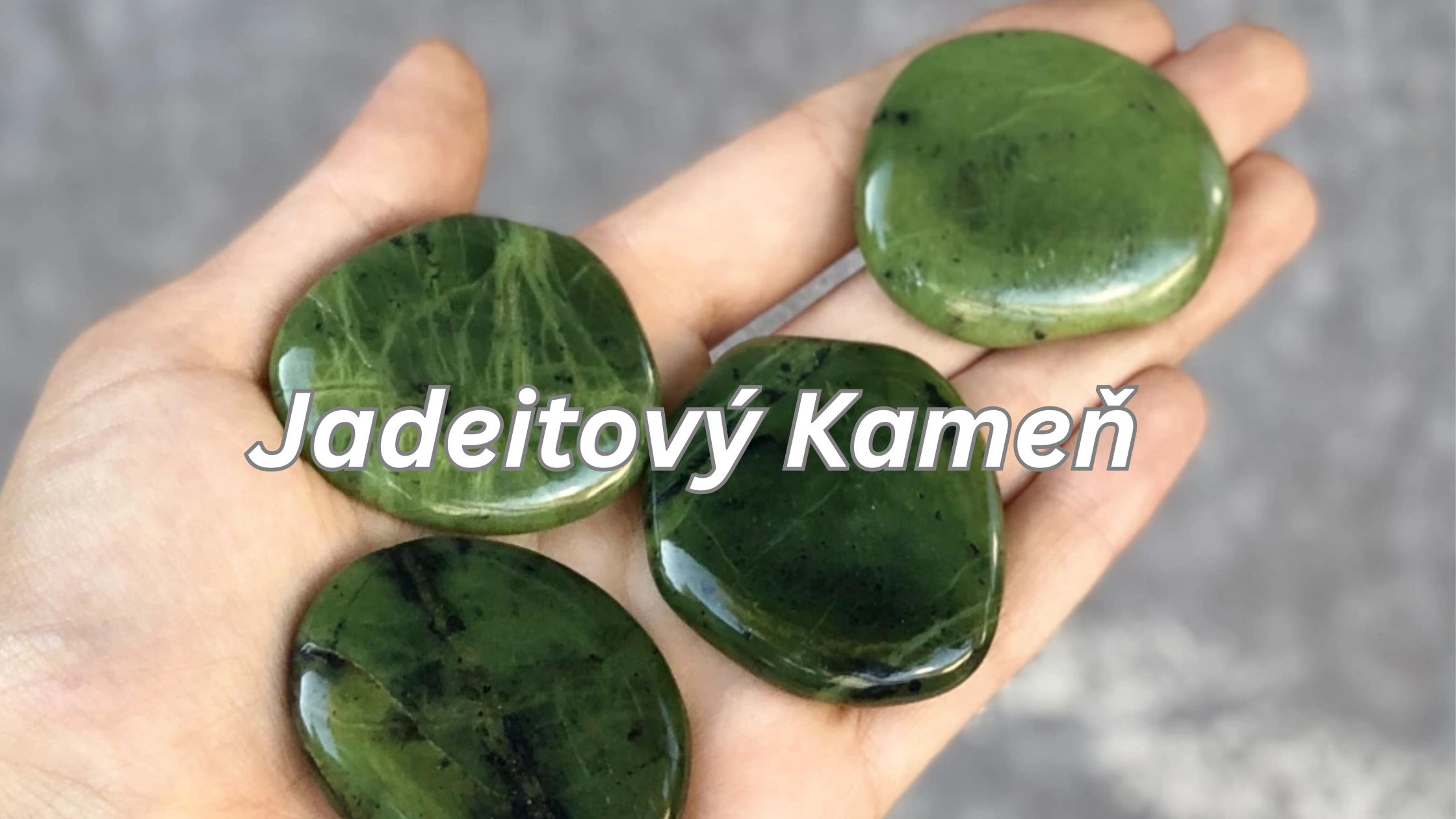
Jadeitový Kameň comes in a spectrum of colors, and each shade has subtle variations that indicate quality. The most prized green jade, often called Imperial Jade, is vivid and evenly saturated without blotches. Less valuable jade may have inconsistent color, white streaks, or visible cracks. Texture is equally important—genuine jade is compact, smooth, and slightly oily to the touch. When inspecting, avoid stones with overly glossy surfaces, as these are often dyed or treated to imitate higher quality jade.
Testing for Authenticity
Several practical tests can help determine whether a piece of Jadeitový Kameň is real:
-
Scratch Test: Jade is relatively hard, scoring around 6.5 to 7 on the Mohs scale. While careful scratching with a steel blade can sometimes provide insight, this method is not recommended on finished jewelry to avoid damage.
-
Temperature Test: Jade retains coolness longer than glass or plastic. Hold the stone in your hand or against your cheek—if it warms up too quickly, it may be a fake.
-
Sound Test: Gently tap two jade pieces together. Real jade produces a deep, resonant sound, whereas imitations often sound dull or high-pitched.
Professional Gemological Evaluation
For high-value pieces, a professional gemologist’s assessment is the most reliable way to confirm authenticity. Gem labs can analyze chemical composition, crystal structure, and possible treatments, providing certification that significantly increases buyer confidence. This step is especially recommended when purchasing expensive Jadeitový Kameň jewelry or investment-grade stones.
Spotting Common Scams
Scammers often use clever tactics to sell fake jade. Dyed stones, wax-coated jade, glass imitations, and composite materials can look authentic to the untrained eye. Be wary of deals that seem “too good to be true,” particularly in online marketplaces or street vendors. Authentic Jadeitový Kameň usually comes with documentation or provenance, especially when sold by reputable jewelers.
Buying Tips for U.S. Buyers
U.S. buyers should prioritize purchasing from trusted sources. Reputable jewelers and gemological stores provide certificates of authenticity and transparent return policies. When shopping online, look for sellers with high ratings, detailed photos, and verified reviews. Familiarize yourself with the average market price of Jadeitový Kameň of different qualities—being aware of typical price ranges helps avoid overpriced fakes or undercut scams.
Caring for Jadeitový Kameň
Proper care not only preserves the beauty of Jadeitový Kameň but also helps maintain its value. Avoid exposing jade to harsh chemicals, extreme temperatures, or ultrasonic cleaners, as these can damage the stone. Clean jade with warm, soapy water and a soft cloth. Regular inspections for chips, cracks, or discoloration ensure that your investment remains in optimal condition.
Understanding Cultural and Symbolic Value
Beyond aesthetics, Jadeitový Kameň carries deep cultural and symbolic significance. In many cultures, it is believed to bring protection, health, and prosperity. Recognizing this intangible value can help buyers appreciate why authenticity matters. Genuine jade connects the wearer to centuries of tradition and cultural heritage, making it more than just a decorative stone.
Investment Potential
High-quality Jadeitový Kameň is considered a valuable investment. Scarce varieties like Imperial Green jade have historically appreciated in value over time. Investors must, however, remain cautious: authenticity, grading, and provenance are critical factors. Certified stones with documentation are the most secure investment, whereas uncertified jade may carry significant risk.
Recognizing Jadeitový Kameň by Origin
The origin of Jadeitový Kameň can significantly influence its quality and value. The finest jade traditionally comes from Myanmar (Burma), known for producing Imperial Green and other high-grade varieties. Jade from Guatemala, Russia, and Japan also exists but often differs in color and texture. Knowing the origin helps buyers understand the characteristics and typical market value of the stone. For collectors and investors in the U.S., sourcing jade from reputable regions with documented provenance reduces the risk of purchasing fake or low-quality stones.
The Role of Certification in Jadeitový Kameň Transactions
Certification plays a pivotal role in confirming the authenticity of Jadeitový Kameň. Gemological laboratories issue reports detailing color, translucency, treatments, and origin. For U.S. buyers, certificates from internationally recognized labs like GIA or SSEF add credibility and protect against scams. A certified piece also strengthens resale potential, ensuring that the investment maintains its value over time. Always request certification before making high-value purchases, particularly for investment-grade jade.
Differences Between Jadeitový Kameň and Imitations
Many counterfeit products mimic the appearance of Jadeitový Kameň. Glass, serpentine, and even plastic are commonly used to imitate jade. Unlike real jade, these materials are often lighter, less dense, and have a more brittle feel. Glass may feel too cold or resonate differently when tapped. Learning to identify these subtle differences through weight, sound, and texture tests can save buyers from costly mistakes.
Jewelry Design Considerations
Jadeitový Kameň is not only a gemstone but also a versatile material for exquisite jewelry. Rings, necklaces, bracelets, and earrings crafted with high-quality jade require careful craftsmanship to highlight the stone’s natural beauty. When buying jade jewelry, examine the setting and craftsmanship—high-quality jade is usually set with precision to prevent damage and enhance aesthetic appeal. Avoid pieces where the stone appears forced into the setting or poorly finished, as this may indicate a lower-quality stone.
The Spiritual and Wellness Aspect of Jadeitový Kameň
Many U.S. buyers are drawn to Jadeitový Kameň not just for its beauty but also for its perceived spiritual and wellness benefits. Jade is believed to promote balance, calmness, and emotional healing. Some also consider it a protective talisman against negative energies. While these benefits are subjective and rooted in tradition, the symbolic significance adds to the personal value of owning genuine jade. Understanding both the aesthetic and metaphysical appeal enhances appreciation and guides more mindful purchases.
Navigating the Secondary Market
The secondary market for Jadeitový Kameň, including auctions and resale platforms, can offer opportunities for finding rare and high-quality stones. However, buyers must exercise caution, as scams and misrepresented stones are common. Always verify the stone’s authenticity, request documentation, and inspect photographs or, ideally, the stone in person before committing to a purchase. Knowledge of typical pricing, grading, and provenance is essential for safe and profitable transactions in the resale market.
Final Thoughts
Identifying real Jadeitový Kameň requires a combination of knowledge, observation, and careful evaluation. By understanding physical characteristics, performing basic tests, and relying on professional assessments when necessary, buyers can confidently navigate the jade market and avoid scams. Authentic jade is not only a visually stunning gemstone but also a culturally significant and potentially lucrative investment. With careful attention, patience, and education, anyone can enjoy the beauty and benefits of genuine Jadeitový Kameň.
Frequently Asked Questions (FAQs)
1. How can I tell if Jadeitový Kameň is real at home?
You can perform simple tests like checking weight, feeling the texture, using the temperature test, or observing translucency under light. Real jade is dense, smooth, slightly oily to the touch, and remains cool longer than imitations.
2. Is all green jade considered valuable?
No. While green is the most popular color, quality depends on color uniformity, translucency, and texture. Imperial Green jade, with vivid, even color, is the most valuable, while other shades may have lesser market value.
3. Can jade be dyed or treated?
Yes, some jade is dyed, waxed, or chemically treated to enhance color or texture. Always request certification from a gemologist to confirm authenticity, especially for high-value pieces.
4. Should I buy Jadeitový Kameň online or in stores?
Both are possible, but buying from reputable jewelers or certified online sellers is safer. Look for sellers providing authenticity certificates, detailed photos, and transparent return policies.
5. How should I care for my Jadeitový Kameň jewelry?
Avoid harsh chemicals, extreme temperatures, and ultrasonic cleaners. Clean gently with warm, soapy water and a soft cloth. Store separately to prevent scratches and check regularly for damage.
FOR MORE : FLIPPAMAGAZINE