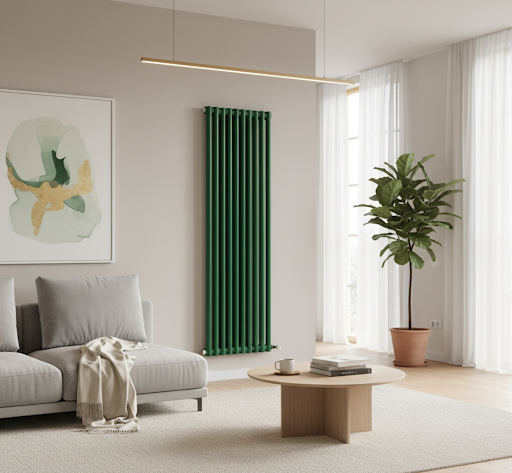
For years, heating elements were seen purely as functional, neutral items, tucked away and often overlooked. But in 2025, that’s changing. Homeowners are embracing heating units as part of their interior decor, using colour to express personality, warmth, and style.
The modern approach to interior design treats heating elements as design features that can transform the mood of a room. Whether your home reflects a sleek minimalist style or a bold eclectic one, the right colour choice can make your heating both efficient and visually captivating.
1. Why Colour Matters in Modern Interiors
Colour influences how we feel in a space: calm, energised, relaxed, or inspired. In 2025, the shift towards personalised interiors means more people are moving away from plain white or standard metallic finishes. This evolution highlights the importance of the choice of radiator colours. By selecting tones that complement your wall colour, flooring, or furnishings, your heating unit can become a seamless part of the décor or even the statement piece that ties the entire room together.
2. The Top Radiator Colour Trends for 2025
Let’s explore the leading shades and tones shaping modern interiors this year. Each trend highlights a different design direction from bold and expressive to understated and natural.
1. Earthy Neutrals for Calm and Comfort
Soft, nature-inspired shades are dominating 2025 interiors. Warm greys, beige tones, clay, and muted taupes bring a sense of serenity to modern homes.
These subtle hues pair beautifully with wooden flooring, woven textures, and neutral furnishings, perfect for minimalist or Scandinavian-inspired spaces. Earthy tones also make rooms feel grounded and harmonious, blending effortlessly into a tranquil living environment.
2. Deep Greens and Forest Tones
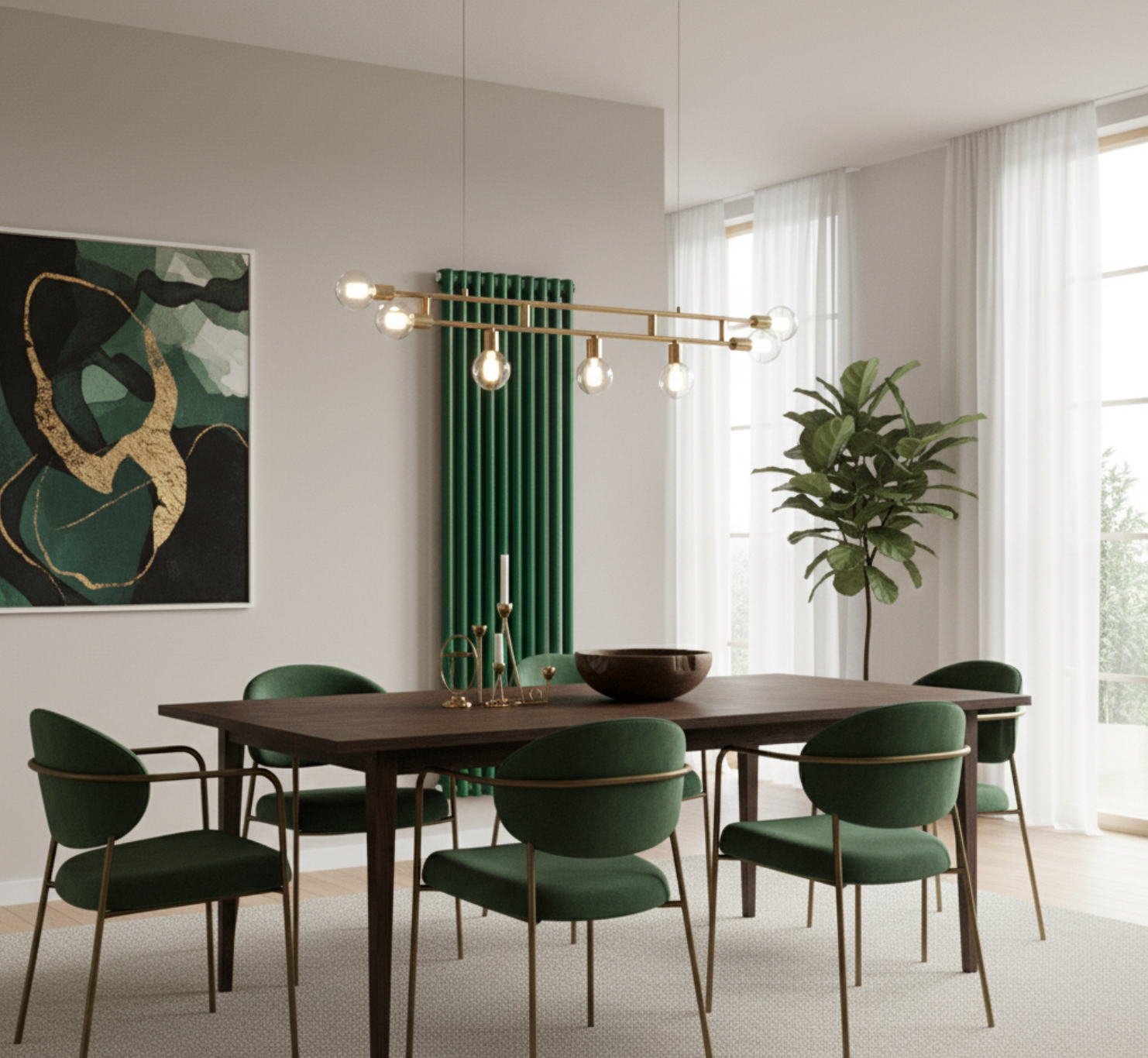
Green continues to reign as one of the most popular interior colours. Deep forest green and olive tones convey a sense of sophistication and calm while connecting indoor spaces to nature.
In dining rooms or bedrooms, a green finish adds a rich, comforting presence. Paired with gold or brass accents, it creates a timeless, luxurious atmosphere.
For smaller homes, lighter sage tones can achieve the same natural charm without overwhelming the space.
3. Bold and Moody Shades
This year, darker tones are making a strong statement. Charcoal grey, navy blue, and midnight black are all on-trend for those looking to add depth and drama.
These rich shades work especially well in contemporary or industrial-style interiors, complementing raw materials such as concrete, exposed brick, and metal.
Choosing a darker finish can turn your heating unit into a sculptural element, subtle during the day, yet visually striking under evening lighting.
4. Metallic Finishes for a Touch of Glamour
Metallics never truly go out of style, but in 2025, they’re evolving. Rather than the ultra-glossy finishes of past years, designers are favouring brushed and matte metallics that add sophistication without being overpowering.
Trending metallic tones include:
- Brushed brass – for warm, classic interiors
- Antique bronze – adds depth and contrast in modern homes
- Satin nickel – sleek and versatile for minimalist designs
These finishes pair beautifully with neutral colour palettes and layered textures, reflecting light subtly and elevating the overall room aesthetic.
5. Soft Pastels for Modern Chic
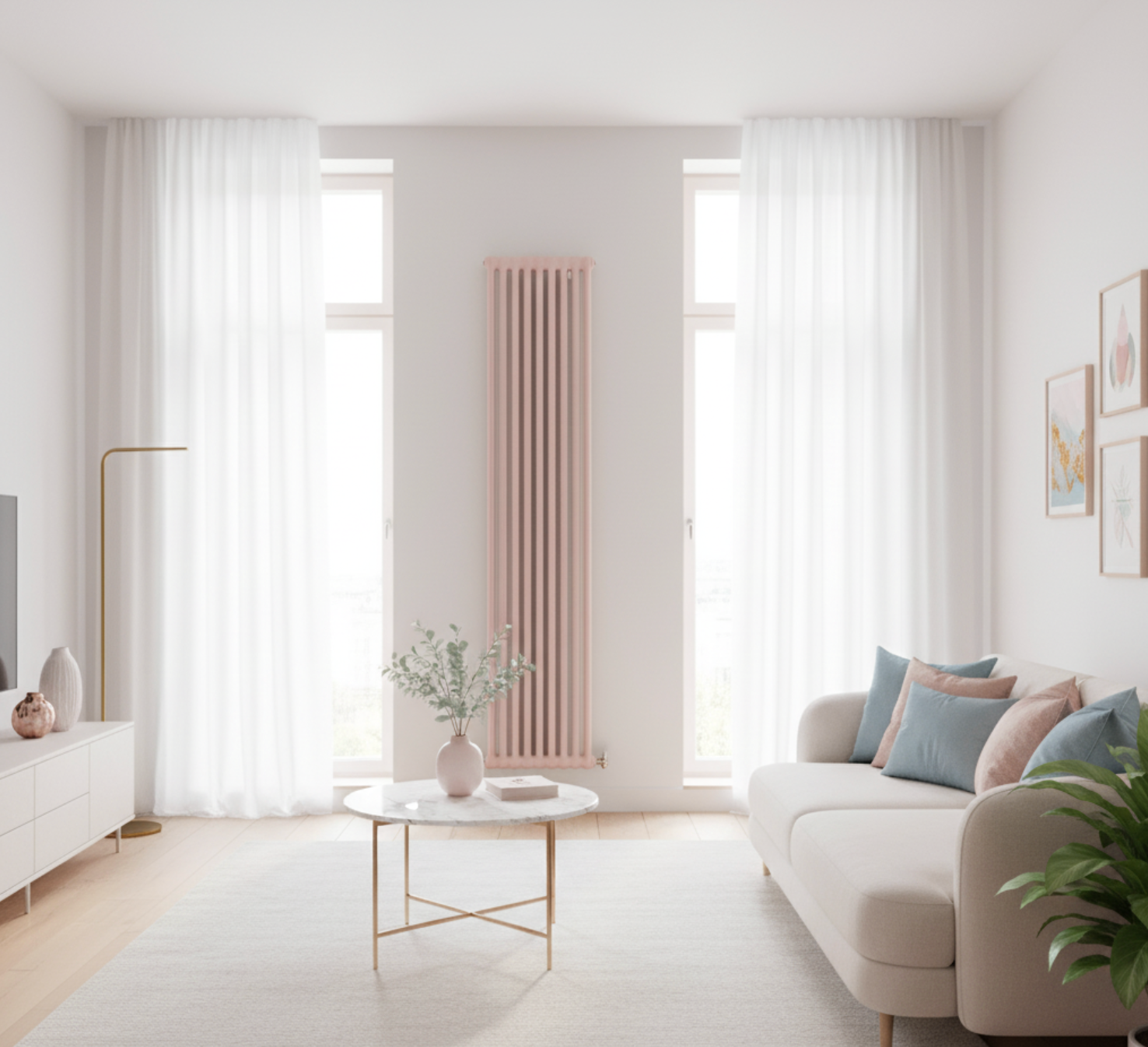
Pastel tones such as blush pink, soft blue, and misty lavender are increasingly popular in creative spaces, children’s rooms, and modern apartments.
These delicate shades bring freshness and character to interiors while keeping the atmosphere light and cheerful. When matched with neutral walls, pastels add just enough colour to create a stylish, uplifting environment without feeling busy.
6. Terracotta and Rust for Warmth and Texture
Earthy reds, terracotta, and rust tones are ideal for creating cosy, character-filled spaces. These colours bring warmth and vibrancy, evoking a Mediterranean feel that works beautifully in kitchens or living rooms.
Pairing these shades with natural textures such as rattan, jute, and wood enhances their organic appeal. Terracotta hues are especially effective in rooms that receive plenty of natural light, where the tones appear rich and inviting.
3. How to Choose the Right Colour for Your Space
Selecting the ideal tone involves more than following trends; it’s about how the colour interacts with your interior style, lighting, and furnishings.
Consider these points before deciding:
- Room Size – Light or neutral colours make smaller rooms feel open and airy. Darker shades add depth and intimacy to larger areas.
- Natural Light – Rooms with plenty of daylight can handle deeper hues, while shaded rooms benefit from warmer, lighter tones.
- Complementary Accents – Match the tone with metal fixtures, flooring, or wall colour for a cohesive look.
- Style of Décor – Industrial interiors suit bold, matte finishes; traditional spaces favour softer, warmer tones.
When chosen thoughtfully, your heating unit can seamlessly integrate into your home’s colour scheme or become a striking visual feature.
4. Integrating Colour into the Overall Interior Design
Coloured heating elements can influence the entire design atmosphere of a home. In modern interiors, the best results often come from intentional placement and cohesive pairing with other design elements.
For instance:
- Pair a matte black design with gold wall sconces for an industrial-chic effect.
- Choose a blush pink unit against soft grey walls for a contemporary, feminine touch.
- Combine a dark green piece with natural wood furniture to create a biophilic, nature-inspired look.
The goal is to make the heating both functional and decorative, a central piece of visual harmony within your space.
5. Finishes That Define the Look
Beyond colour, the texture and finish significantly affect how a piece looks and feels.
- Matte finishes provide a modern, understated elegance.
- Glossy surfaces add brightness and visual contrast in minimalist spaces.
- Brushed or satin textures offer a timeless appeal suitable for both traditional and modern homes.
The finish you choose will determine whether your heating blends in subtly or stands out as a statement feature.
6. Maintaining Coloured Heating Units
Coloured finishes, when properly maintained, can last for years without fading or chipping.
- Clean surfaces regularly with a soft, damp cloth to avoid harsh chemicals.
- Keep dust and grime away to maintain even heat distribution.
- Occasionally inspect for signs of wear, especially in high-moisture areas like bathrooms or kitchens.
With minimal effort, you can preserve both the colour quality and performance for years to come.
7. Colouring the Future of Home Heating
2025 marks a new era where heating becomes part of the design story, not just a background detail. From earthy neutrals to bold metallics and warm terracottas, there’s a colour to suit every taste and home style.
Choosing the right tone not only enhances your décor but also adds personality and comfort to your living space. With a well-selected finish, your heating can elevate your interior, proving that warmth and style truly go hand in hand.