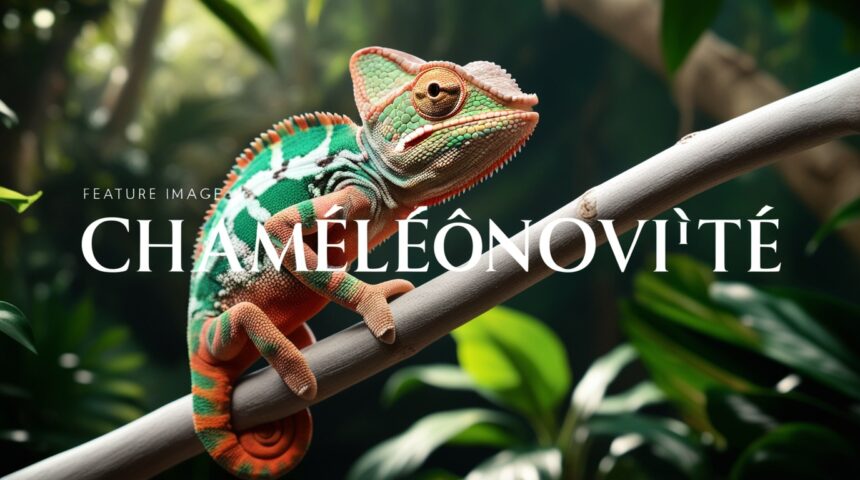
The Chameleónovité family represents one of the most intriguing and visually striking groups in the reptile world. Known for their color-changing abilities, independently moving eyes, and highly specialized hunting techniques, these reptiles have fascinated scientists, nature photographers, and pet enthusiasts for decades. Although the word Chameleónovité itself refers to a chameleon family classification used primarily in scientific and European contexts, the species it describes are familiar to many Americans as the captivating chameleons found in documentaries, reptile expos, and specialized pet stores. Understanding these animals involves more than appreciating their vibrant colors—it’s about exploring their behavior, environmental needs, survival strategies, and evolutionary design. This guide offers a comprehensive, easy-to-read overview tailored for anyone curious about how these reptiles live, communicate, and adapt.
Understanding the Chameleónovité Family
The Chameleónovité family includes dozens of chameleon species, each with distinct features, habitats, and behaviors. Most members of this family reside in Madagascar, East Africa, and parts of southern Europe, but today they have become popular in the United States among reptile keepers and wildlife enthusiasts. Their biological traits make them unlike any other reptile family. They possess specialized feet designed for gripping slender branches, tails that can curl and anchor to surfaces, and extraordinary eyesight capable of scanning a full 360 degrees. These adaptations evolved over millions of years to help them thrive in forest canopies, scrublands, and humid rainforests. Understanding these characteristics provides valuable insight into why they behave the way they do and how they navigate complex environments with precision.
Unique Behavioral Traits of Chameleónovité Species
Behavior plays a central role in how Chameleónovité survive in the wild. These reptiles are generally solitary, spending most of their lives alone unless searching for mates or defending territory. Their lifestyle is deliberate and calculated, involving slow movements, careful climbing, and a constant awareness of surroundings. This cautious nature is not due to laziness but a natural survival strategy—moving slowly helps them blend into tree branches and avoid detection by predators. When threatened, a chameleon may hiss, puff up its body, or display brighter colors to appear intimidating. These dramatic behaviors help them avoid confrontation while also signaling their emotional or physical state. The more we understand their behavioral communication, the clearer it becomes why they are so respected in herpetology circles.
The Science Behind Color Change
The ability of Chameleónovité species to change color remains one of the most misunderstood—and fascinating—traits in the animal kingdom. Contrary to popular belief, chameleons do not change color solely to blend into the background. Their transformation is actually a sophisticated form of communication, driven by mood, temperature, social signals, and health. Beneath their skin lie layers of specialized cells called chromatophores and iridophores. These cells expand or contract to reflect different wavelengths of light, producing a full spectrum of colors from deep greens to vibrant reds and blues. When a chameleon is calm, its colors appear muted, but during excitement or stress, the colors intensify dramatically. Scientists continue to study these mechanisms, discovering new details about how chameleons use their skin almost like a living mood ring.
Communication Through Color and Posture
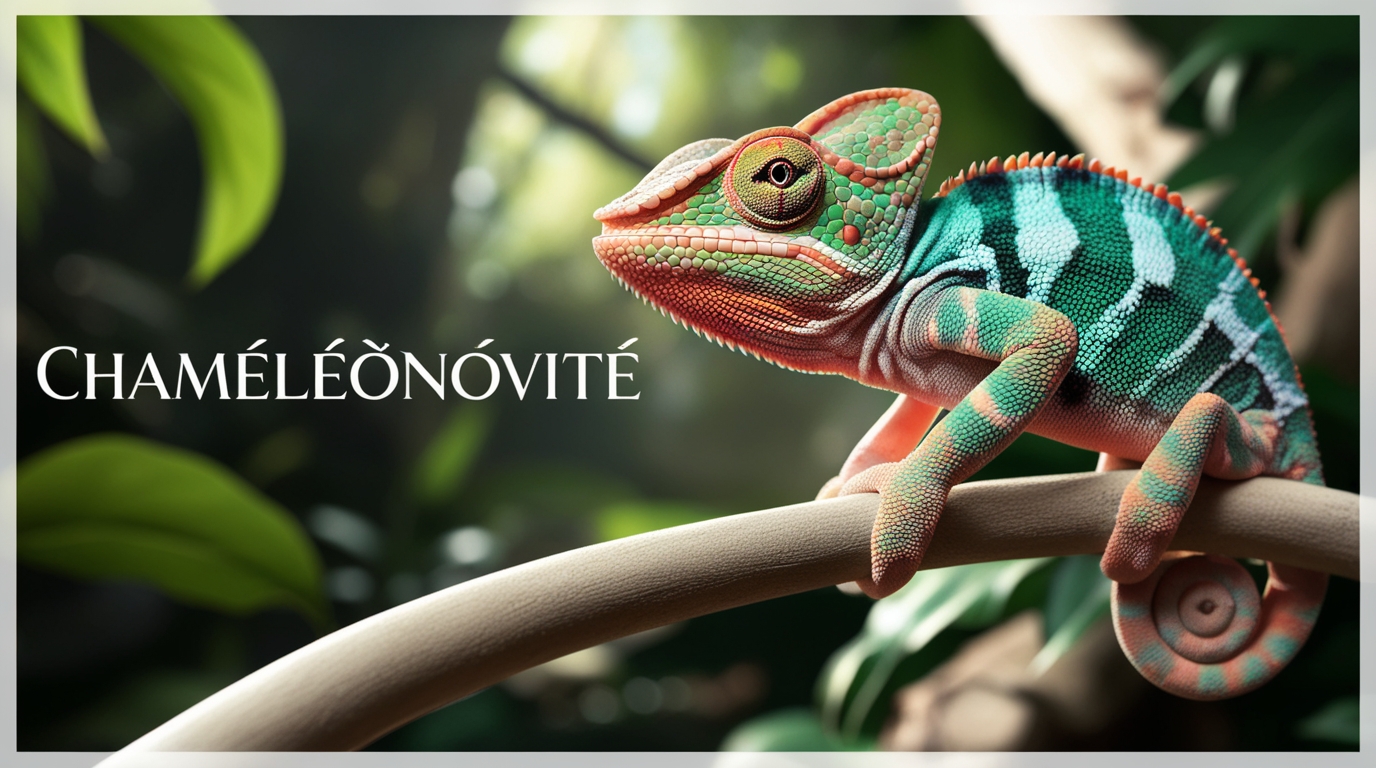
Color is only one part of how Chameleónovité species communicate. Body posture also plays a significant role. For example, a male chameleon may brighten its colors and stand tall to challenge another male, while a female expecting eggs might display darker hues to signal she is not receptive to mating. These signals reduce unnecessary conflict and help maintain order within their environment. Communication also occurs through subtle gestures, such as head bobbing, slow rocking motions, and precise changes in stance. Observing these cues provides valuable insight into their emotional state. Pet owners often learn to recognize when their chameleon feels stressed, curious, or comfortable simply by watching color fluctuations, body angle, and movement patterns.
Habitat and Environmental Preferences
Members of the Chameleónovité family are highly sensitive to environmental conditions. In the wild, they occupy habitats that provide abundant foliage, stable temperatures, and ideal humidity levels. Their survival depends on these factors, as chameleons rely heavily on their surroundings to regulate body temperature and hide from predators. In a U.S. reptile-keeping environment, recreating these natural conditions is essential. Adequate ventilation, vertical climbing space, and proper lighting—including UVB exposure—are necessary for maintaining their health. Whether in Madagascar’s rainforest or a temperature-controlled terrarium, Chameleónovité thrive in spaces that mimic natural sunlight, airflow, and vegetation. Understanding their environmental needs highlights how specialized and delicate these reptiles truly are.
Feeding Habits and Hunting Techniques
Chameleónovité species are insectivores, using their long, projectile tongues to capture prey with astonishing speed. Their tongue can extend up to twice their body length, and the tip forms a sticky surface that secures insects instantly. This unique hunting method evolved to allow them to catch fast-moving prey while remaining nearly motionless. In captivity, their diet often includes crickets, roaches, silkworms, and other feeder insects. Some larger species also enjoy occasional plant matter. Their feeding behavior reflects natural instincts—watching a chameleon lock onto a target, calculate distance, and strike with lightning precision reveals just how finely tuned their sensory and muscular systems are. Proper nutrition is crucial, as vitamin deficiencies can lead to serious health issues.
Vision, Depth Perception, and Eye Structure
Chameleons are renowned for their eyes, which move independently and rotate in nearly any direction. The Chameleónovité family possesses some of the most advanced reptile vision on Earth. Each eye can focus separately, allowing them to scan wide areas without moving their body. When they spot potential prey, their eyes lock forward, creating binocular vision and enabling exact depth perception. This adaptation is vital for their hunting success. Their ability to detect ultraviolet light also enhances color perception and helps regulate biological processes, from feeding to reproduction. In the wild or in captivity, environmental lighting plays a significant role in maintaining their visual health and overall well-being.
Reproductive Behavior and Egg-Laying Practices
Reproduction in Chameleónovité species varies depending on the species, but most lay eggs in shallow burrows they dig using their hind legs. Females may change color patterns to communicate reproductive status, often displaying softer hues when receptive and darker colors when pregnant or uninterested. The courtship process involves visual displays from both sexes, with males showing more vibrant colors to attract attention. Once eggs are laid, incubation periods range widely, sometimes lasting several months. Chameleon hatchlings emerge fully independent, equipped with natural instincts for hunting and camouflage. Their early development highlights how evolution has molded these reptiles for survival from the moment they hatch.
Common Health Challenges in Captivity
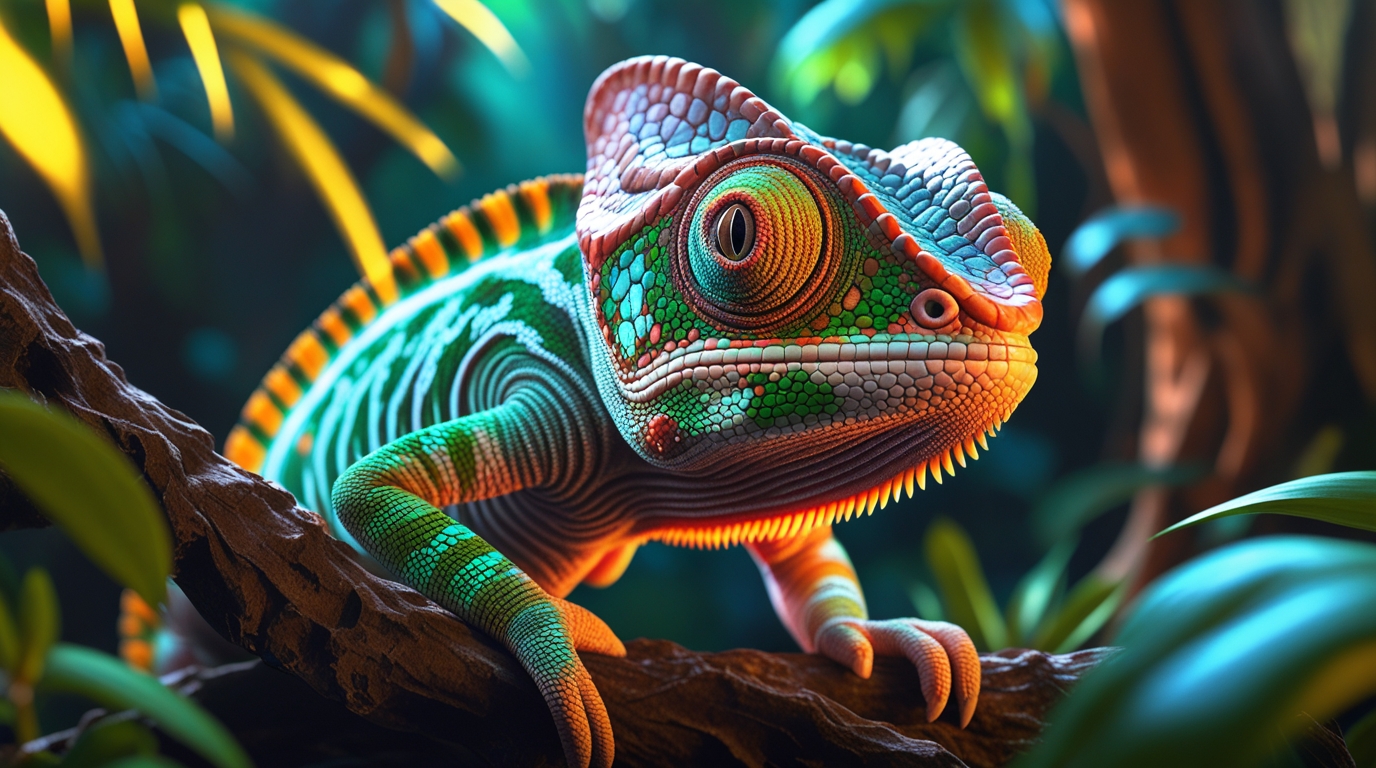
Although Chameleónovité species are hardy in the wild, they can be sensitive when kept as pets. Issues such as dehydration, metabolic bone disease, and stress-related conditions appear frequently when environmental conditions are not properly maintained. Because chameleons rely on humidity, temperature gradients, and UVB exposure, even small mistakes in care can lead to significant health problems. Early signs of distress often include loss of appetite, dull or darkened coloration, lethargy, or unusual posture. Understanding these warning signals allows keepers to take prompt action. Fortunately, with proper habitat design, regular hydration, and a well-balanced diet, most health issues can be prevented entirely. Responsible care requires observing their behavior daily and making adjustments as needed.
Conservation Status and Environmental Threats
Many species within the Chameleónovité family face mounting threats in the wild, largely due to habitat destruction, climate change, and illegal wildlife trade. Madagascar, home to the highest diversity of chameleons, has experienced significant deforestation in recent decades, placing countless reptiles at risk. Conservation groups emphasize habitat preservation and regulated trade to ensure these species survive for future generations. Captive breeding programs also play a major role, helping reduce pressure on wild populations. Awareness of these challenges helps reinforce the importance of ethical practices, sustainable reptile keeping, and global conservation efforts. Protecting their natural environments ensures we continue to learn from and appreciate these extraordinary animals.
Conclusion
The Chameleónovité family showcases some of the most remarkable evolutionary adaptations in the reptile world. From their color-changing abilities to their unmatched vision and specialized behavior, these animals demonstrate how complex and intelligent nature can be. Understanding their behavior, environmental needs, communication methods, and biological traits provides a deeper appreciation for their uniqueness. Whether admired in the wild or cared for in captivity, chameleons offer endless fascination. Their survival depends on knowledge, respect, and responsible stewardship—not only from researchers and conservationists but from anyone who values the beauty of the natural world.
Frequently Asked Questions (FAQs)
1. Why do Chameleónovité species change color?
Chameleónovité species change color primarily for communication, temperature regulation, and emotional expression. Color shifts help them signal dominance, attract mates, or show signs of stress. While camouflage can occur, it is not the main purpose of their color-changing ability.
2. Are Chameleónovité species good pets for beginners?
Chameleons can be rewarding pets, but they are not ideal for beginners. They require precise environmental conditions, consistent hydration, and specialized lighting. New reptile keepers may find their care needs demanding, so research and preparation are essential.
3. What do chameleons in the Chameleónovité family eat?
Their diet mainly consists of live insects such as crickets, roaches, silkworms, and hornworms. Some species may also eat occasional leafy greens or fruit. A varied diet and proper supplementation are crucial for long-term health.
4. How long do Chameleónovité species live in captivity?
Lifespan varies by species, but many chameleons live between five and ten years when properly cared for. Factors such as habitat setup, diet, stress level, and genetics all influence their overall longevity.
5. What are common signs a chameleon is stressed or unhealthy?
Common signs include dark coloration, refusal to eat, lethargy, excessive hiding, or unusual movement patterns. Early detection is key, as many health issues can be corrected by adjusting humidity, temperature, lighting, or diet.
FOR MORE : FLIPPAMAGAZINE